Read this article in English ↓
세상이 쉽게 설명하지 못하는 것들을 탐구한다 — AURA Mystery
반도체는 이렇게 뜨거운데, 왜 그 곁의 창고는 채워지지 않을까?
Introduction — 불 꺼진 새 건물
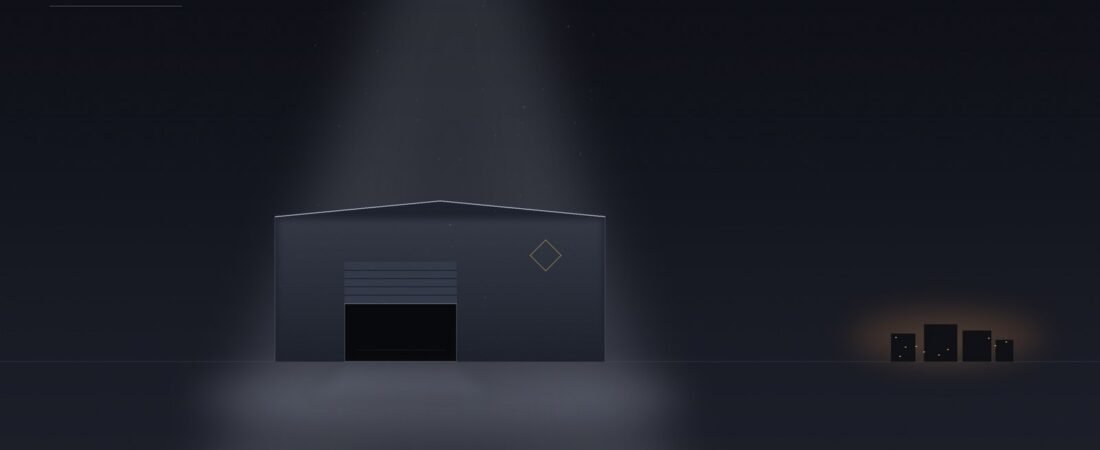
경기도의 한 산업단지. 새로 지은 창고 한 동이 서 있다. 준공된 지 얼마 되지 않아 외벽이 아직 깨끗하다. 보통 창고가 아니다. 방폭 설비와 특수 소방 시스템을 갖춘, 반도체용 화학물질을 보관하기 위해 설계된 위험물 창고다. 짓는 데 일반 창고보다 훨씬 많은 돈이 들었다.
그런데 밤에 보면, 불이 꺼져 있다.
같은 시각의 뉴스는 정반대다. 반도체 수출 신기록. 사상 최대 실적. 치솟는 주가. 공장은 24시간 풀가동이라고 한다.
이상하지 않은가. 반도체가 그렇게 뜨겁다면, 반도체에 들어가는 화학물질을 보관하는 창고는 가득 차 있어야 한다. 그런데 비어 있다. 한 동이 아니다. 지난 2~3년 사이 반도체 호황을 보고 지어진 특수물질 창고들 상당수가, 애초 사업계획서에 적힌 대로 돌아가지 못하고 있다는 이야기가 업계에서 들린다.
호황은 어디로 간 걸까. 이것이 이번 미스터리의 질문이다.
Mystery — 모두가 믿었다, 그런데 비어 있다
먼저 이 창고들이 왜 지어졌는지부터 보자. 논리는 완벽해 보였다.
반도체 공장은 막대한 화학물질을 쓴다. 식각액, 세정액, 감광액. 이런 물질은 위험물이라 아무 데나 쌓아둘 수 없고, 공장 안의 저장 공간에는 한계가 있다. 그러니 공장 근처에 외부 특수 창고가 필요하다. 마침 대형 반도체 기업들은 수백조 원대 투자 계획을 발표했고, 새 공장이 올라가고 있었다. 은행과 증권사는 이 그림을 보고 프로젝트 파이낸싱(PF) — 건물이 완성된 뒤 벌어들일 돈을 담보로 미리 빌려주는 대출 — 을 일으켰다. 시행사는 짓기만 하면 채워질 것이라 믿었다.
여기까지는 미스터리가 아니다. 합리적인 사람들이 합리적인 근거로 내린 결정이다. 미스터리는 그다음이다. 모두의 계산이 맞았는데, 창고만 비어 있다. 반도체 기업은 정말 잘나가고 있다. 공장은 정말 풀가동이다. 투자 계획도 거짓이 아니었다. 그런데 왜?
답을 찾으려면, 아무도 묻지 않았던 질문을 물어야 한다. 반도체가 잘된다는 것은, 정확히 무엇이 늘어난다는 뜻인가.
What Nobody Talks About — 아무도 이야기하지 않는 것
창고를 채우는 것은 뉴스가 아니다. 매출도, 주가도 아니다. 창고를 채우는 것은 물동량 — 실제로 움직이는 화물의 부피다. 그리고 화학물질의 물동량은 오직 하나를 따라간다. 웨이퍼 투입량. 즉 공장이 몇 장의 웨이퍼를 실제로 굽고 있느냐다.
지금의 반도체 호황을 뜯어보면 낯선 사실이 나온다. 이번 호황의 주인공인 HBM(고대역폭 메모리)은 비싸게 파는 호황이지, 많이 굽는 호황이 아니다. 같은 웨이퍼로 훨씬 비싼 칩을 만드니 매출과 이익은 치솟는다. 그러나 기존 공장은 원래도 풀가동이었다. 웨이퍼 투입량, 그러니까 화학물질 사용량은 뉴스만큼 늘지 않았다. 가격의 호황과 부피의 호황은 다른 것이다. 창고는 그 차이를 가장 정직하게 보여주는 건물이다.
둘째, 새 공장의 시간표. 창고의 대출 이자는 준공된 날부터 나간다. 그러나 수요는 옆의 새 공장이 실제로 가동을 시작해야 나온다. 그리고 그 사이 반도체 기업들의 국내 증설 일정은 계속 흔들렸다. 평택의 신규 라인과 미국 제2공장의 설비 발주가 연기됐다는 보도가 나왔고, 공사가 멈췄다 재개되기를 반복했다. 창고는 확정된 이자를 내며, 불확정된 수요를 기다린다.
셋째, 증설의 지도. 지금 반도체 투자의 무게중심은 보조금과 관세 압박 속에 미국으로 기울고 있다. 텍사스의 새 공장이 먼저 돌기 시작했다. 그러나 텍사스의 팹은 경기도의 위험물 창고를 채워주지 않는다. 시행사들은 ‘반도체 증설’에 베팅했지만, 증설이 일어나는 땅을 짚는 데서 어긋난 것이다.
그래서 지금 무슨 일이 벌어지고 있나. 일부 창고는 허가받은 목적과 다른 화물을 받으며 운영비를 메우고 있다. 일부 시행사는 대출을 새 대출로 갈아타며 이자를 낮추고, 만기를 미루며 버틴다. 금융에서는 이것을 점잖게 ‘리파이낸싱’이라 부르지만, 현장의 언어로는 돌려막기다. 몇 년 전 이커머스 붐을 보고 우후죽순 지어졌다가 텅 빈 수도권 저온창고들이 걸었던 길과, 각본이 똑같다.
마지막 조각 하나. 창고가 기다리는 고객 — 반도체 소재 기업들 — 에게 물류는 투자 항목이 아니라 절감 항목이다. 반도체 가격이 올라도 소재사의 납품 단가가 그만큼 오르는 것은 아니어서, 이들은 보관과 운송에서 비용을 줄이려 한다. 수요가 살아나더라도, 그 수요가 비싼 외부 창고로 흘러올 것이라는 가정은 또 하나의 낙관이었던 셈이다.
AURA Perspective
세 겹의 착시
이 미스터리의 범인은 사기꾼이 아니다. 착시다. 그것도 세 겹의.
시간의 착시. 투자 발표와 실제 가동 사이에는 몇 년의 간격이 있다. 이자는 오늘 나가고, 수요는 내일 온다. 그 간격을 버틸 체력이 없는 계획은, 전제가 다 맞아도 무너진다.
지리의 착시. ‘한국 반도체의 호황’과 ‘한국 땅 위의 호황’은 다른 말이 되어가고 있다. 기업의 국적과 공장의 주소가 분리되는 시대에는, 호황이 나는 곳과 그 호황에 베팅한 곳이 어긋날 수 있다.
서사의 착시. 가장 깊은 층이다. 주가는 투자 ‘발표’를 먹고 오른다. 창고는 웨이퍼 ‘투입량’을 먹고 찬다. 두 곡선은 같은 뉴스에서 출발하지만 전혀 다른 속도로 움직인다. 그리고 그 사이의 거리에서, 누군가는 수익률을 얻고 누군가는 이자를 낸다. 이번에 이자를 내게 된 쪽은, 서사를 실물로 번역하지 않고 그대로 믿은 쪽이었다.
비어 있는 창고는 무엇의 지표인가
여기서 이 잡지가 계속 던져온 질문 하나로 돌아가게 된다. 우리는 경제를 무엇으로 측정하는가. 주가와 수출액은 화려하고 빠르다. 그러나 창고의 공실률, 탱크로리의 대수, 항만의 물동량 같은 실물의 지표들은 느리고 정직하다. 금융의 서사와 실물의 현실이 벌어질 때, 그 틈을 먼저 보여주는 것은 언제나 후자다.
그래서 비어 있는 위험물 창고는 단지 어느 시행사의 실패담이 아니다. 그것은 이 호황의 성분표다. 지금의 반도체 호황이 얼마만큼이 부피의 성장이고 얼마만큼이 가격과 기대의 성장인지를, 그 건물의 빈 선반이 말해주고 있는 것이다.
공정하게 덧붙이자. 이 창고들이 영원히 비어 있으리라는 이야기가 아니다. 국내 신규 팹이 본격 가동되면 수요는 온다. 문제는 ‘언제’이고, 그때까지 누가 살아남느냐이며 — 그리고 그 사이 중국의 공장들이 얼마나 따라와 있을 것인가다. 버티면 이기는 게임이 아니라, 버티는 동안 게임의 규칙이 바뀔 수도 있는 판이다.
AURA Insight
반도체는 정말 뜨겁다. 그러나 그 열기는 가격과 기대의 열기이고, 창고를 채우는 것은 부피와 물동량이다. 둘은 같은 뉴스에서 출발해 다른 곳에 도착한다.
비어 있는 특수물질 창고는 그 도착지의 차이를 보여주는 실물 증거다. 시간의 착시(이자는 오늘, 수요는 내일), 지리의 착시(호황은 텍사스에, 창고는 경기도에), 서사의 착시(주가는 발표를 먹고, 창고는 웨이퍼를 먹는다)가 겹친 자리에서, 합리적인 사람들의 합리적인 계산이 조용히 부실이 되어간다.
다음 호황에서도 같은 일이 반복될 것이다. 서사는 언제나 실물보다 빨리 달리기 때문이다. 그러니 기억해 둘 것은 하나다. 어떤 호황이 진짜인지 알고 싶다면, 뉴스가 아니라 창고를 보라. 불이 켜져 있는지.
AURA Question
당신이 믿고 있는 호황은, 무엇으로 측정된 것인가?
English Edition — The Empty Warehouse
Semiconductors are this hot. So why are the warehouses beside them still empty?
Exploring what the world cannot easily explain — AURA Mystery
Introduction — A New Building with the Lights Off
An industrial district in Gyeonggi Province, south of Seoul. A newly built warehouse stands with its walls still clean. It is no ordinary warehouse: explosion-proof fittings, specialized fire systems — a hazardous-materials facility designed to store the chemicals that feed semiconductor fabs. It cost far more to build than a normal shed.
At night, the lights are off.
The news that same evening says the opposite: record chip exports, record earnings, soaring share prices, fabs running around the clock. Strange, isn’t it? If semiconductors are this hot, the warehouses that store their chemicals should be full. Instead, industry talk says that many of the special-materials warehouses built on the chip boom over the past two or three years are not operating anywhere near the numbers written in their business plans.
Where did the boom go? That is the question of this mystery.
Mystery — Everyone Believed, and Yet It Stands Empty
Start with why these warehouses were built. The logic looked flawless. Fabs consume enormous volumes of chemicals — etchants, cleaners, photoresists — that are classified as hazardous and cannot be stored just anywhere, while storage space inside the fab is limited. So you build specialized warehouses nearby. Chipmakers had announced investment plans in the hundreds of trillions of won; new fabs were rising. Banks and securities firms looked at this picture and arranged project financing — loans advanced against the money the building would earn once complete. Developers believed that if they built it, it would fill.
None of that is the mystery. These were rational decisions on rational grounds. The mystery comes next: everyone’s math was right, and the warehouse is still empty. The chipmakers really are thriving. The fabs really are at full capacity. The investment plans were not lies. Then why?
To answer, you must ask the question nobody asked: when we say semiconductors are booming — what, exactly, is growing?
What Nobody Talks About
What fills a warehouse is not news, revenue or a share price. It is physical volume — cargo that actually moves. And chemical volume tracks exactly one thing: wafer input. How many wafers the fabs are actually running.
Look inside today’s boom and an unfamiliar fact appears. HBM — the high-bandwidth memory at the center of it — is a boom of selling dear, not of baking more. The same wafer now yields a far more expensive chip, so revenue and profit soar. But the existing fabs were already full. Wafer input — and therefore chemical consumption — has not grown the way the headlines have. A boom in price and a boom in volume are different things, and a warehouse is the most honest building for telling them apart.
Second, the timetable. A warehouse starts paying interest the day it is completed; demand arrives only when the fab next door actually ramps. In between, domestic expansion schedules kept wobbling — equipment orders for new lines were reported delayed, construction paused and resumed. The warehouse pays certain interest while waiting on uncertain demand.
Third, the map. The center of gravity of chip investment is tilting toward the United States, pulled by subsidies and tariff pressure. The new fab in Texas began running first. But a fab in Texas does not fill a hazardous-materials warehouse in Gyeonggi. The developers bet on “semiconductor expansion” — and misread the ground it would happen on.
So what is happening now? Some warehouses take in cargo outside their licensed purpose to cover operating costs. Some developers roll their loans into new loans, lowering rates and pushing out maturities. Finance politely calls this refinancing; the street calls it robbing Peter to pay Paul. It is the same script written a few years ago by the cold-storage warehouses built on the e-commerce boom, which ended up standing empty across the capital region.
One last piece. To the warehouse’s intended customers — semiconductor materials suppliers — logistics is not an investment line but a cost-cutting line. Chip prices rising does not mean their supply prices rise in step, so they squeeze storage and transport. Even when demand returns, the assumption that it would flow into expensive external warehouses was one more layer of optimism.
AURA Perspective
Three illusions. The culprit in this mystery is not a fraudster. It is illusion — three layers of it. The illusion of time: years separate an investment announcement from actual operation; interest is paid today, demand arrives tomorrow, and a plan without the stamina to cross that gap collapses even if every assumption is right. The illusion of geography: “the Korean chip boom” and “a boom on Korean soil” are becoming different sentences. In an age when a company’s nationality and its factories’ addresses separate, the place where the boom happens can diverge from the place that bet on it. The illusion of narrative: the deepest layer. Share prices feed on announcements; warehouses feed on wafer input. The two curves start from the same news and move at entirely different speeds — and in the distance between them, someone earns a return while someone else pays interest. This time, the interest fell to those who believed the story without translating it into physical units.
What an empty warehouse measures. This returns us to a question this magazine keeps asking: what do we measure an economy with? Share prices and export figures are dazzling and fast. The physical indicators — warehouse vacancy, tanker-truck counts, port throughput — are slow and honest. When financial narrative and physical reality drift apart, it is always the latter that shows the gap first. The empty hazardous-materials warehouse is not merely one developer’s failure. It is this boom’s list of ingredients: how much of it is growth in volume, and how much is growth in price and expectation, written on empty shelves.
To be fair: this is not a claim that these warehouses will stay empty forever. When Korea’s new fabs ramp in earnest, demand will come. The questions are when, who survives until then — and how far China’s fabs will have caught up in the meantime. It is not a game won by enduring; it is a board whose rules may change while you endure.
AURA Insight
Semiconductors really are hot. But the heat is the heat of prices and expectations, and what fills warehouses is volume. The two set out from the same headline and arrive at different places.
The empty special-materials warehouse is physical evidence of that difference — where the illusions of time, geography and narrative overlap, the rational math of rational people quietly turns into bad debt.
It will happen again in the next boom, because narrative always runs faster than matter. So remember one thing. If you want to know whether a boom is real, don’t watch the news. Watch the warehouse — and whether its lights are on.
AURA Question
The boom you believe in — what was it measured with?
Sources
본 기사의 창고·시행사 관련 서술은 물류 업계 현장 관찰과 업계 전언에 기초하며, 특정 업체와 무관한 일반화된 묘사입니다. 공개 사실은 아래 보도에 근거하고, AURA Perspective와 AURA Insight의 해석은 AURANIM의 편집적 분석입니다. / Descriptions of warehouses and developers are generalized accounts based on industry observation; public facts rest on the reporting below, and interpretations are AURANIM’s editorial analysis.
- 디지털데일리 — 삼성전자 평택 P4·미국 테일러 2공장 설비 발주 연기 보도
- 뉴스토마토·산업 전문지 — 평택 캠퍼스 공사 중단·재개 및 속도 조절 보도
- 반도체 업계 공시·보도 — HBM 중심 실적 개선, 국내외 팹 투자 계획
- 수도권 물류센터(저온창고 등) 공급과잉·PF 부실 관련 다수 보도 (이커머스 붐 이후)
- AURANIM — 세 개의 시선 EP.002 「울산은 왜 조용해졌는가?」 (실물 지표로 읽는 산업, 같은 문제의식)