Read this article in English ↓
세계(世界)를, 세 개(三個)의 시선으로 읽는다.
유럽은 전쟁을 보았다. 아프리카는 빵값을 보았다. 그리고 세계는 같은 뉴스를 보면서도, 서로 다른 현실을 살아가기 시작했다.
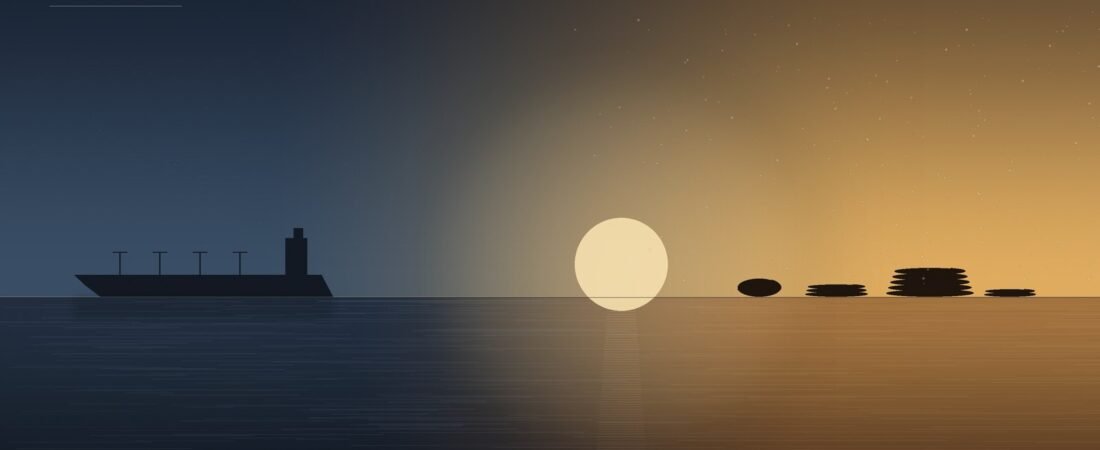
뉴스는 하나다. 그러나 현실은 하나가 아니다.
우리는 매일 같은 뉴스를 읽으며 같은 세계를 이해하고 있다고 믿는다. 하지만 같은 사건이라도 국가가 다르면 의미가 달라지고, 경제 구조가 다르면 우선순위가 달라지며, 삶의 환경이 다르면 기억하는 방식마저 달라진다. AURANIM의 ‘세 개의 시선’은 바로 그 차이를 읽는 시리즈다. 우리는 뉴스를 전달하지 않는다. 세상을 해석한다.
Introduction — 새벽 네 시, 카이로
2022년 3월, 카이로 구시가의 골목. 새벽 네 시에 가게 문을 연 제빵사가 가장 먼저 한 일은 오븐에 불을 넣는 것이 아니었다. 그는 분필을 들고, 어제까지 걸려 있던 가격표를 지웠다.
그가 굽는 빵은 ‘아이시 발라디’. 이집트 사람들의 하루가 시작되는 둥글고 납작한 빵이다. 아랍어에서 ‘아이시’는 빵이라는 뜻이지만, 동시에 ‘삶’이라는 뜻이기도 하다. 그 삶의 원료인 밀은 대부분 배로 온다. 알렉산드리아 항에 닿기 전, 그 밀은 흑해를 지난다. 그리고 그 주, 흑해는 전장이 되어 있었다.
같은 시각, 브뤼셀. NATO 정상들이 긴급회의 테이블에 앉았다. 회의장 밖 세계의 뉴스룸들은 저마다의 문법으로 같은 전쟁을 타전하고 있었다. 로이터는 시시각각 발표되는 제재 목록을 전했고, BBC는 국경으로 밀려드는 피란 행렬을 비췄으며, 파이낸셜 타임스는 유럽 에너지 시장의 붕괴 가능성을 계산했다.
모두 같은 전쟁을 이야기하고 있었다. 그러나 같은 현실을 이야기하고 있지는 않았다.
브뤼셀의 회의실에서 전쟁은 안보의 문제였다. 카이로의 빵집에서 전쟁은 밀가루의 문제였다. 그리고 싱가포르와 로테르담과 부산의 사무실에서, 기업들은 조용히 공급망 지도를 다시 펼치고 있었다.
같은 사건. 그러나 서로 다른 현실.
왜 이런 차이가 생겼을까. 이 질문이 이번 에피소드의 출발점이다. 그리고 미리 말해두자면, 이 질문은 우크라이나 전쟁보다 오래 살아남을 것이다.
① 세계의 시선 — Global Perspective
국제질서가 흔들리고 있었다
전쟁이 시작되자 세계 주요 언론은 공통적으로 이 전쟁을 국제질서의 위기로 규정했다. 그러나 같은 위기를 놓고도, 각 매체가 켠 조명의 각도는 달랐다. 그 각도를 비교해 보면 ‘세계의 시선’이라는 것이 실은 여러 개의 시선이 겹쳐진 것임을 알게 된다.
로이터의 전쟁은 움직임의 연쇄였다. 정상들의 통화, 제재 패키지의 발표, 전선의 이동 — 세계가 시시각각 어디로 가는지를 기록하는 속기록. 통신사의 언어는 겉보기에 중립적이지만, 무엇을 ‘긴급’으로 분류하는가라는 선택 자체가 이미 하나의 관점이었다. 그리고 그 긴급의 목록은 대부분 외교와 안보의 언어로 채워졌다.
BBC의 전쟁은 사람의 얼굴을 하고 있었다. 지하철역으로 대피한 키이우 시민들, 국경의 피란 행렬, 포위된 마리우폴. BBC는 이 전쟁의 인도주의적 비용을 세계의 안방까지 배달했다. 다만 그 카메라가 비춘 고통에는 위도가 있었다. 유럽의 고통은 클로즈업되었다. 이 전쟁이 대륙 바깥에 만들고 있던 고통은, 아직 카메라 밖에 있었다.
파이낸셜 타임스의 전쟁은 숫자로 진행됐다. 천연가스 선물 가격, 러시아 은행의 SWIFT 배제, 중앙은행 외환보유고의 동결. FT와 블룸버그의 지면에서 이 전쟁은 하나의 거대한 실험이었다. 금융 시스템이 무기로 쓰이면 어떤 일이 벌어지는가. 훗날 돌아보면 이 시선이 가장 멀리 내다봤다. 이 전쟁의 가장 오래갈 유산 중 하나는, ‘달러 시스템도 무기가 될 수 있다’는 사실이 세계 모든 중앙은행의 머릿속에 새겨졌다는 점이기 때문이다.
이코노미스트의 전쟁은 시대의 장(章)이 넘어가는 소리였다. 냉전 이후 30년의 평화가 끝났다. 역사가 돌아왔다. 민주주의 진영은 다시 무장해야 한다. 전쟁을 하나의 사건이 아니라 국제질서 재편의 분기점으로 읽는 이 시선은, 이후 서방 싱크탱크와 정부 문서의 표준 프레임이 되었다.
표현은 달랐지만 결론은 하나로 수렴했다. 이 전쟁은 유럽만의 문제가 아니라, 세계 질서를 흔드는 사건이라는 것.
그런데 ‘세계’는 어디까지인가
이 결론에는 자연스러운 기대가 하나 따라붙었다. 침공이 이토록 명백하다면, 세계는 당연히 한목소리로 규탄하리라는 기대다.
2022년 3월 2일, 유엔 총회가 그 기대를 시험했다. 러시아의 즉각 철군을 요구하는 결의안에 141개국이 찬성했다. 반대는 5개국. 서방 언론은 ‘국제사회의 압도적 규탄’이라고 썼다.
그러나 같은 표결지를 다른 각도에서 자르면 다른 그림이 나온다. 기권 35개국 가운데 17개국이 아프리카였다. 아프리카 54개국 중 찬성은 28개국 — 절반을 간신히 넘겼다. 에리트레아는 반대했고, 8개국은 표결장에 나타나지도 않았다. 남아프리카공화국, 알제리, 에티오피아, 우간다, 탄자니아가 기권 명단에 있었다.
서방의 시선에서 이것은 실망스러운 이탈이었다. 그러나 실망은 분석이 아니다. 왜 대륙의 절반이 명백해 보이는 침공 앞에서 손을 들지 않았는가.
이 질문에 답하려면, 지면을 바꿔야 한다.
② 또 하나의 세계 — The Other World
전쟁보다 빵이 먼저였다
아프리카의 신문들도 전쟁을 1면에 실었다. 그러나 거리의 질문은 달랐다.
“이번 달에도 빵을 살 수 있을까?”
전쟁 전, 러시아와 우크라이나는 세계 밀 수출의 약 4분의 1을 담당했다. 그 밀의 큰 흐름 하나가 흑해를 지나 아프리카로 향했다. 이집트, 수단, 지부티, 에리트레아, 베냉, 탄자니아는 밀 수입의 70퍼센트 이상을 이 두 나라에 기대고 있었다. 침공과 함께 우크라이나의 항구가 봉쇄되자 국제 밀 가격은 몇 주 만에 급등했고, 2022년 3월 유엔 식량농업기구(FAO)의 세계식량가격지수는 지수 작성 이래 최고치를 찍었다.
하지만 ‘아프리카가 타격을 입었다’는 문장은 절반만 진실이다. 같은 파도가 해안마다 다른 높이로 도착했기 때문이다. 네 나라의 창문으로 들여다보자.
이집트 — 빵의 정치학
세계 최대 밀 수입국. 수입 밀의 약 80퍼센트가 러시아와 우크라이나산. 인구 1억 명 중 7천만 명 안팎이 정부 보조금 빵에 기대어 산다. 이 나라에서 빵값은 경제 지표가 아니라 통치의 조건이다. 1977년, 빵 보조금 삭감이 폭동으로 번졌던 기억은 아직 카이로의 통치 문법 안에 살아 있다. 그래서 밀 가격의 급등은 곧바로 재정의 비상이 되었다. 정부는 밀 수입선을 인도와 프랑스로 급히 넓혔고, 그 청구서는 외환보유고를 압박했다. 이집트 파운드는 이후 연쇄 평가절하로 가치의 절반가량을 잃었다. 카이로의 제빵사가 새벽에 가격표부터 바꿔 단 것은, 이 거대한 연쇄의 가장 끝에 있는 장면이었다.
케냐 — 비료의 산수
나이로비에서 서쪽으로 향하면 리프트밸리의 농업지대가 펼쳐진다. 2022년 봄, 이곳의 농부들은 파종을 앞두고 낯선 산수를 해야 했다. 러시아는 세계 요소(urea) 교역의 14퍼센트, 러시아와 벨라루스를 합치면 세계 칼륨비료 수출의 40퍼센트 이상을 쥐고 있었다. 전쟁과 제재가 겹치자 비료 포대 가격은 한 해 사이 두 배 가까이 뛰었다. 비료를 덜 뿌리면 그 대가는 다음 수확기에 온다 — 전쟁의 충격이 시차를 두고 두 번 때리는 구조다. 실제로 사하라 이남 아프리카의 비료 사용량은 최대 25퍼센트가량 줄었다. 그리고 그해 케냐의 대선에서, 옥수수 가루 ‘웅가’의 가격은 후보들의 유세 연설에 등장하는 핵심 쟁점이 되었다. 흑해의 전쟁이 나이로비의 투표소까지 걸어 들어온 것이다.
소말리아 — 겹쳐진 재난
모가디슈의 계산은 더 절박했다. 소말리아는 밀 수입의 90퍼센트 안팎을 러시아와 우크라이나에 의존하고 있었는데, 하필 그 시점에 40년 만의 최악의 가뭄을 지나고 있었다. 국제 곡물 가격의 급등은 이 나라에서 물가 문제가 아니라 기근의 방정식이었다. 세계식량계획(WFP)의 구호 예산은 같은 돈으로 살 수 있는 곡물이 줄어드는 이중고를 겪었다. 전쟁이 일어난 곳에서 5,000킬로미터 떨어진 나라가, 전쟁의 가장 깊은 상처를 입을 수도 있다는 것 — 소말리아는 세계화된 위기의 잔인한 기하학을 보여주는 표본이었다.
나이지리아 — 산유국의 역설
라고스의 사정은 또 달랐다. 아프리카 최대 산유국인 나이지리아는 유가 급등의 수혜자여야 했다. 그러나 정제 능력이 부족해 휘발유를 다시 수입하는 이 나라에서, 국제 유가의 상승은 연료 보조금 재정을 눈덩이처럼 불렸다. 환율이 밀리자 운송비와 생활비가 함께 뛰었고, 정부는 결국 보조금 폐지라는 정치적 도박으로 내몰렸다. 한편 같은 나라의 비료 산업은 러시아산 요소의 공백을 파고들며 수출을 늘렸다. 하나의 전쟁이 한 나라 안에서도 승자와 패자를 갈랐다.
아프리카는 하나의 국가가 아니다
네 개의 창문이 보여주듯, 같은 대륙 안에서도 현실은 모두 달랐다. 곡물을 대체로 자급하는 남아공의 계산은 밀의 90퍼센트를 수입하는 소말리아의 계산과 같을 수 없었고, 세계 최대급 인광석을 가진 모로코에게 러시아산 비료의 공백은 오히려 기회였다.
입장도 하나가 아니었다. 침공 사흘 전 유엔 안보리에서 케냐 대사 마틴 키마니는 이 전쟁에 관해 가장 많이 회자된 연설 중 하나를 남겼다. 그는 러시아를 정면으로 비판했다 — 그러나 서방의 언어가 아니라 아프리카의 역사로 비판했다. 아프리카의 국경은 식민 제국들이 런던과 파리에서 그은 선이지만, 아프리카는 더 큰 유혈을 피하기 위해 그 국경을 존중하기로 했다고. 그러니 ‘위험한 향수’로 옛 제국을 되살리려는 시도는 어디에서든 거부되어야 한다고. 침공을 규탄하는 동시에, ‘국경의 신성함’을 설교해 온 유럽의 이력까지 조용히 법정에 세운 연설이었다.
이 계산서들 아래에는 눈에 보이지 않는 항목이 하나 더 있었다. 기억이다. 아프리카의 많은 나라에서 러시아는 ‘침략국’이기 이전에 ‘옛 소련’으로 기억된다. 식민 지배에서 벗어나려던 시절 해방운동을 무장시키고 장학생을 받아준 나라.
반대로 ‘주권과 영토 보전’이라는 서방의 언어는, 그 원칙이 리비아에서 그리고 백신과 곡물의 분배에서 선택적으로 적용되는 것을 지켜본 귀에는 종종 공허하게 들렸다. 이 기억이 러시아를 정당화해 주지는 않는다. 그러나 기억은 신뢰의 이자율을 결정한다. 같은 호소라도 발신자의 이력에 따라 다른 할인율이 적용되는 것이다.
석 달 뒤에는 온도가 다른 장면이 이어졌다. 아프리카연합(AU) 의장 자격으로 세네갈 대통령 마키 살이 소치로 날아가 푸틴을 만났다. 메시지는 단순했다. 곡물과 비료가 다시 흐르게 하라. 그리고 제재로 인한 결제·물류 장벽이 아프리카의 식량 수입까지 막고 있음을 서방도 직시하라. 비슷한 시기 젤렌스키 대통령이 AU를 상대로 화상 연설을 했을 때, 참석한 정상은 소수에 그친 것으로 전해졌다. 어느 쪽이 옳았는가와 별개로, 두 장면의 온도차 자체가 데이터였다. 아프리카의 우선순위는 전쟁의 승패가 아니라 전쟁의 가격이었다.
그 우선순위가 근거 없는 것도 아니었다. 2022년 7월 유엔과 튀르키예의 중재로 흑해곡물협정이 체결되어 1년간 약 3,300만 톤의 곡물이 우크라이나를 빠져나갔다. 세계 식량 가격은 실제로 내려갔다.
그러나 그 화물의 목적지를 뜯어보면, 최대 수혜국은 중국이었고 아프리카 대륙 전체로 간 물량은 약 400만 톤 — 전체의 12퍼센트 남짓이었다. ‘굶주리는 아프리카를 위한 회랑’이라는 서사와 실제 화물 흐름 사이의 간극. 아프리카의 외교관들이 서방의 서사를 들을 때 계산기를 함께 꺼내는 이유다.
그럼에도 대륙을 관통하는 공통의 감각이 하나 있었다. 이 전쟁은 자신들이 일으키지도, 끝낼 수도 없는 전쟁이라는 것. 그런데 청구서는 가장 먼저, 가장 무겁게 자신들의 식탁에 도착한다는 것. 아프리카의 오래된 속담이 이 감각을 요약한다.
코끼리들이 싸우면, 밟히는 것은 풀이다.
유럽이 전쟁을 이야기할 때, 많은 사람들은 오늘의 생계를 이야기하고 있었다.
③ AURA의 시선 — AURA Perspective
세계는 하나지만, 현실은 하나가 아니다
우리는 세계를 하나의 공간처럼 말한다. 하지만 세계는 하나의 현실로 움직이지 않는다.
유럽은 국경을 본다.
미국은 패권을 본다.
아프리카는 식탁을 본다.
중동은 에너지를 본다.
기업은 공급망을 본다.
투자자는 원자재를 본다.
국제물류 기업은 새로운 항로를 본다.
같은 사건은 결코 같은 의미를 갖지 않는다. 그리고 그 차이를 만드는 것은 이념이 아니다. 노출(exposure)이다. 안보가 위협받는 사회는 질서를 이야기하고, 끼니가 위협받는 사회는 가격을 이야기한다. 유럽에게 이 전쟁은 실존의 문제였고, 그 판단은 옳았다. 아프리카에게 이 전쟁은 생존비용의 문제였고, 그 판단 역시 옳았다. 두 시선은 충돌하는 것이 아니라 같은 사건의 다른 단면이다. 문제는 어느 한쪽의 단면이 ‘세계의 시선’이라는 이름을 독점할 때 생긴다.
세계화는 하나의 세계를 만들지 않았다
여기서 세계화에 대한 통념 하나를 수정해야 한다. 우리는 오랫동안 세계화가 세계를 하나로 만든다고 배웠다. 우크라이나 전쟁이 보여준 것은 정반대에 가깝다. 세계화는 하나의 세계를 만든 것이 아니라, 하나의 충격이 모든 세계에 동시에 — 그러나 서로 다른 크기로 — 배달되는 배송망을 만들었다.
오데사 항의 봉쇄는 시카고의 선물 가격이 되고, 시카고의 선물 가격은 카이로의 빵값이 된다. 충격의 전달은 글로벌하지만, 충격의 완충은 철저히 로컬이다. 재정 여력, 외환보유고, 보조금 제도, 자국 농업 기반. 이 완충장치의 두께가 나라마다 다르기에, 같은 파도가 어떤 해안에서는 물결이 되고 어떤 해안에서는 해일이 된다. 세계화 시대의 불평등은 소득의 불평등만이 아니라 완충장치의 불평등이다.
기업에게 — 효율의 시대에서 회복력의 시대로
이것은 칼럼의 결론이 아니라 실무의 문제다. 우크라이나 전쟁 이후 기업들은 생산거점을 분산하기 시작했고, 국제물류는 ‘효율’보다 ‘회복력’을 고민하게 됐다. 흑해의 전쟁 위험 보험료는 한때 항로 자체를 잠갔고, 뒤이은 홍해 사태는 ‘최단 항로’와 ‘최저 운임’이 더 이상 동의어가 아님을 확인시켰다. 항로와 보험료와 운임이 지정학의 함수가 되는 시대가 본격화된 것이다.
한 가지 교훈이 더 있다. 자신의 1차 노출 — 매출처, 공급선, 항로 — 만 보는 리스크 관리는 절반의 리스크 관리라는 것. 정작 치명타는 2차 노출에서 온다. 당신의 고객이 있는 나라의 식량 수입 구조, 연료 보조금 재정, 외환보유고가 흔들리면, 당신 제품의 수요와 대금 회수가 함께 흔들린다. 2022년 이후 이집트와 가나에서 수입 결제 지연을 경험한 기업들은, 이것이 추상적인 이야기가 아님을 안다.
투자자에게 — 스윙 스테이트의 시대
투자자에게 이 전쟁이 남긴 지도는 ‘진영’의 지도가 아니라 ‘스윙 스테이트’의 지도다. 유엔 표결에서 기권한 나라들, 양쪽 모두와 거래하는 나라들 — 이집트, 케냐, 나이지리아, 남아공, 모로코 — 은 다극 질서에서 몸값이 계속 오를 교차점들이다. 이들은 곡물 항만과 비료 원료와 해상 요충지를 쥐고, 양쪽으로부터 인프라와 금융을 끌어낸다. 지정학적 비동맹이 경제적 옵션 가치가 되는 시대다.
동시에 식량-비료-에너지의 연쇄는 이제 순환적 테마가 아니라 구조적 테마가 되었다. 비료 공급망의 탈러시아화, 걸프와 중국의 곡물 저장·항만 투자, 각국의 식량안보 산업정책화 — 이 흐름들은 향후 십 년의 자본 이동을 바꿀 것이다. 그리고 전쟁이 다섯 해째 이어지고 있는 2026년 현재까지도, 흑해 항로의 보험료와 신뢰는 전전(戰前) 수준을 회복하지 못했다. 당분간 세계 식량 가격의 바닥은 오데사 항의 출항 스케줄이 정한다.
국제정세는 더 이상 외교 뉴스가 아니다. 기업 전략이고, 투자 전략이며, 우리의 일상이다.
AURA Insight
우크라이나 전쟁은 하나였다. 그러나 세계는 하나의 전쟁을 경험하지 않았다. 누군가는 국경을 지키려 했고, 누군가는 빵을 지키려 했으며, 누군가는 공급망을 다시 설계했다.
유엔 총회의 기권표 35장 가운데 17장이 아프리카에서 나왔다는 사실은 러시아의 승리도, 서방의 실패도 아니었다. 그것은 세계의 절반이 같은 전쟁을 전혀 다른 장부에 기록하고 있다는 신호였다. 뉴스는 사실을 전달한다. 그러나 현실은 위치에 따라 달라진다. 시선은 도덕의 문제가 아니라 노출의 문제이고, 노출은 지리와 역사와 소득이 결정한다.
세계화는 우리를 하나로 만들지 않았다. 하나의 충격을 모두에게 배달할 뿐이다. 다음 위기에서도 헤드라인은 포성이 울리는 곳에서 작성되겠지만, 위기의 깊이는 완충장치가 가장 얇은 곳에서 측정될 것이다.
그러므로 세계를 이해한다는 것은 더 많은 뉴스를 읽는 것이 아니다. 더 많은 현실을 이해하는 것이다. 같은 뉴스를 다른 장부에 기록하는 사람들이 있다는 것을 기억하고, 그 장부를 찾아 읽는 것이다.
그것이 AURANIM이 ‘세 개의 시선’을 시작한 이유다.
AURA Question
당신이 오늘 읽은 뉴스는 누구의 현실을 담고 있었는가 — 그리고 같은 뉴스를 전혀 다른 현실 속에서 읽고 있는 사람들은, 지금 어디에 있는가?
English Edition — Why Does Africa See the Ukraine War Differently?
Europe saw a war. Africa saw the price of bread. And the world began to live in different realities while reading the same news.
Reading the world through three perspectives.
The news is one. Reality is not.
We read the same headlines every day and believe we understand the same world. But the same event changes meaning with geography, changes priority with economic structure, and is even remembered differently depending on how life is lived. AURANIM’s Three Perspectives is a series devoted to reading precisely that difference. We do not deliver the news. We interpret the world.
Introduction — Four A.M., Cairo
March 2022. In an alley of old Cairo, a baker opened his shop at four in the morning. The first thing he did was not light the oven. He picked up a piece of chalk and erased yesterday’s price.
The bread he bakes is aish baladi — the round, flat loaf with which the Egyptian day begins. In Arabic, aish means bread; it also means life. The wheat that becomes that life arrives mostly by sea, and before it reaches the port of Alexandria, it crosses the Black Sea. That week, the Black Sea had become a battlefield.
At the same hour, in Brussels, NATO leaders were sitting down to an emergency meeting. Outside the room, the world’s newsrooms were wiring the same war in their own grammars. Reuters relayed the sanctions lists as they were announced; the BBC showed the columns of refugees pressing toward the borders; the Financial Times calculated the odds of a European energy collapse.
Everyone was talking about the same war. No one was talking about the same reality.
In the meeting rooms of Brussels, the war was a security problem. In a Cairo bakery, it was a flour problem. And in offices in Singapore, Rotterdam and Busan, companies were quietly unfolding their supply-chain maps once again.
The same event. Different realities. Why? That question is where this episode begins — and, it should be said in advance, it will outlive the war itself.
① Global Perspective
When the war began, the world’s major media converged on a common definition: this was a crisis of the international order. Yet the angle of each spotlight differed — and comparing those angles reveals that “the global perspective” is in fact several perspectives layered on top of one another.
Reuters covered the war as a chain of movements — leaders’ calls, sanctions packages, shifting front lines — a stenographic record of where the world was heading, hour by hour. A news agency’s grammar is nominally neutral, but the choice of what counts as “urgent” is itself a point of view, and that list was written mostly in the language of diplomacy and security.
The BBC gave the war a human face: Kyiv residents sheltering in metro stations, refugee columns at the border, besieged Mariupol. It delivered the war’s humanitarian cost into living rooms around the world. But the suffering its cameras framed had a latitude. Europe’s pain appeared in close-up, while the pain this war was creating beyond the continent had not yet been captured even in a wide shot.
The Financial Times narrated the war in numbers: natural-gas futures, the exclusion of Russian banks from SWIFT, the freezing of central-bank reserves. In its pages — and Bloomberg’s — the war read as a vast field experiment in how the global financial system performs as a weapon. In hindsight, this was the most prophetic frame: among the war’s most durable legacies is that every central bank on earth now knows the dollar system, too, can be weaponized.
The Economist heard the sound of a chapter turning: the end of thirty post-Cold War years of stability, the return of history, the rearmament of the democracies. Its reading of the war as an inflection point in the international order became the standard frame of Western think tanks and government papers.
The expressions differed; the conclusion converged. This was not Europe’s problem alone, but an event shaking the world order.
But how far does “the world” extend? On 2 March 2022, the UN General Assembly put that assumption to the test. A resolution demanding Russia’s immediate withdrawal passed with 141 votes in favor and 5 against — “overwhelming condemnation,” the Western press wrote. Cut the same ballot another way, however, and a different picture appears: 17 of the 35 abstentions were African. Of Africa’s 54 states, 28 voted yes — barely half. Eritrea voted no; eight did not appear. South Africa, Algeria, Ethiopia, Uganda and Tanzania were on the abstention list. To Western eyes this was a disappointing defection. But disappointment is not analysis. Why did half a continent decline to raise its hand against so apparent an invasion? To answer that, you have to turn the page.
② The Other World
Africa’s newspapers put the war on their front pages too. But the question on the street was different: “Will we be able to buy bread this month?”
Before the war, Russia and Ukraine together supplied roughly a quarter of the world’s wheat exports, and one of that wheat’s great currents flowed through the Black Sea toward Africa. Egypt, Sudan, Djibouti, Eritrea, Benin and Tanzania depended on those two countries for more than 70 percent of their wheat imports. When Ukraine’s ports were blockaded, international wheat prices surged within weeks, and in March 2022 the FAO Food Price Index hit the highest level ever recorded. But “Africa was hit” is only half the truth: the same wave arrived at different heights on different shores. Look through four windows.
Egypt — the politics of bread. The world’s largest wheat importer; about 80 percent of it from Russia and Ukraine; some 70 million of its 100 million people relying on subsidized bread. Here the price of bread is not an economic indicator but a condition of governance — the memory of 1977, when subsidy cuts turned into riots, still lives in Cairo’s grammar of rule. The wheat spike became a fiscal emergency; import lines were hastily widened to India and France; the bill pressed on foreign reserves, and the Egyptian pound went on to lose roughly half its value through successive devaluations. The baker erasing his price at dawn stood at the very end of that long chain.
Kenya — the arithmetic of fertilizer. In the farmlands of the Rift Valley, the spring of 2022 brought unfamiliar arithmetic. Russia accounted for 14 percent of global urea trade; Russia and Belarus together controlled more than 40 percent of potash exports. As war and sanctions overlapped, the price of a bag of fertilizer nearly doubled in a year. Skimp on fertilizer and the price is paid not this season but at the next harvest — a shock that strikes twice, on a delay. Fertilizer use in sub-Saharan Africa fell by as much as a quarter. And in that year’s Kenyan presidential election, the price of maize flour — unga — became a central campaign issue. A war on the Black Sea had walked into the polling stations of Nairobi.
Somalia — compound disaster. Mogadishu’s arithmetic was more desperate. Somalia relied on Russia and Ukraine for around 90 percent of its wheat imports — just as it was passing through its worst drought in forty years. Surging grain prices were not an inflation problem here but a famine equation, and the World Food Programme found the same budget buying less grain. A country five thousand kilometers from the front can suffer the war’s deepest wounds: Somalia was the cruel geometry of a globalized crisis made visible.
Nigeria — the oil producer’s paradox. Lagos was different again. Africa’s largest oil producer should have been a beneficiary of surging crude. But a country that re-imports gasoline for lack of refining capacity watched high oil prices balloon its fuel-subsidy bill instead. As the currency slid, transport and living costs climbed, and the government was eventually pushed into the political gamble of scrapping the subsidy. Meanwhile the same country’s fertilizer industry expanded exports into the gap left by Russian urea. One war divided winners from losers within a single nation.
Africa is not a country. As the four windows show, realities differed even within the continent. Largely grain-self-sufficient South Africa could not share the calculus of Somalia; for Morocco, holder of the world’s great phosphate reserves, the Russian fertilizer vacuum was an opportunity. Nor was there one position. Three days before the invasion, Kenya’s ambassador Martin Kimani delivered one of the war’s most quoted speeches at the Security Council — condemning Russia head-on, but in Africa’s history rather than the West’s language: Africa’s borders were lines drawn in London and Paris by colonial empires, yet Africa chose to respect them to avoid greater bloodshed; attempts to revive old empires out of “dangerous nostalgia” must be refused everywhere. It was a speech that condemned the invasion while quietly putting Europe’s own record on trial.
Beneath these ledgers lay one more invisible entry: memory. In much of Africa, Russia is remembered first as the old Soviet Union — the power that armed liberation movements and educated scholarship students in the era of decolonization.
The Western language of “sovereignty and territorial integrity,” meanwhile, often rang hollow to ears that had watched those principles applied selectively — in Libya, and in the distribution of vaccines and grain. None of this justifies Russia. But memory sets the interest rate of trust: the same appeal is discounted differently depending on who is making it.
Three months later came a scene of a different temperature. As chair of the African Union, Senegal’s president Macky Sall flew to Sochi to meet Putin. His message was simple: let the grain and fertilizer flow again — and let the West, too, face the fact that payment and logistics barriers born of sanctions were choking Africa’s food imports. Around the same time, when President Zelensky addressed the AU by video, only a handful of heads of state are reported to have attended. Whoever was right, the temperature difference between the two scenes was itself a data point: Africa’s priority was not the war’s outcome but the war’s price.
Nor was that priority groundless. The Black Sea Grain Initiative, brokered by the UN and Türkiye in July 2022, moved about 33 million tonnes of grain out of Ukraine in a year, and world food prices did come down.
But look at the cargo’s destinations: the largest beneficiary was China, and the entire African continent received about 4 million tonnes — some 12 percent. The gap between the narrative of “a corridor for a starving Africa” and the actual flow of cargo is why African diplomats reach for a calculator whenever they listen to Western narratives.
And yet one sensation ran the length of the continent: that this was a war they had neither started nor could end — and that the bill nonetheless arrived first, and heaviest, at their tables. An old African proverb captures it:
When elephants fight, it is the grass that suffers.
While Europe talked about the war, much of the world was talking about today’s livelihood.
③ AURA Perspective
We speak of the world as if it were one place. But the world does not move as one reality.
Europe sees borders.
America sees hegemony.
Africa sees the table.
The Middle East sees energy.
Companies see supply chains.
Investors see commodities.
Logistics firms see new routes.
The same event never carries the same meaning. And what makes the difference is not ideology. It is exposure. A society whose security is threatened talks about order; a society whose meals are threatened talks about prices. To Europe this war was existential, and that judgment was correct. To Africa it was a matter of the cost of survival, and that judgment was correct too. The two perspectives do not collide; they are different cross-sections of the same event. The trouble begins when one cross-section monopolizes the name “the world’s perspective.”
Globalization did not build one world. We were long taught that globalization makes the world one. This war showed something closer to the opposite: globalization built not a single world but a delivery network through which a single shock is delivered to every world at once — in different sizes. The blockade of Odesa becomes a futures price in Chicago; the futures price in Chicago becomes the price of bread in Cairo. The transmission of shocks is global; the buffering of shocks is stubbornly local — fiscal space, foreign reserves, subsidy systems, domestic agriculture. Because the thickness of those buffers differs by country, the same wave breaks as a ripple on one shore and a tsunami on another. The inequality of the globalized age is not only an inequality of income. It is an inequality of buffers.
For business — from the age of efficiency to the age of resilience. This is not a columnist’s conclusion but an operational one. Since the war, companies have begun dispersing production, and global logistics has started weighing resilience over efficiency. War-risk premiums on the Black Sea at one point locked the route itself; the Red Sea crisis that followed confirmed that “shortest route” and “lowest freight” are no longer synonyms. And one more lesson: risk management that watches only first-order exposure — your customers, your suppliers, your routes — is half of risk management. The fatal blow comes from second-order exposure. When the food-import structure, fuel-subsidy budget or foreign reserves of your customer’s country begin to shake, demand for your product and collection of your receivables shake with them. Companies that lived through payment delays in Egypt or Ghana after 2022 know this is not an abstraction.
For investors — the age of swing states. The map this war left investors is not a map of blocs but of swing states. The countries that abstained at the UN, that trade with both sides — Egypt, Kenya, Nigeria, South Africa, Morocco — are the intersections whose value keeps rising in a multipolar order, holding grain ports, fertilizer feedstock and maritime chokepoints while drawing infrastructure and finance from both camps. Geopolitical non-alignment has become economic option value. Meanwhile the food-fertilizer-energy nexus has turned from a cyclical theme into a structural one: the de-Russification of fertilizer supply, Gulf and Chinese investment in grain storage and ports, and the industrial-policy turn in food security will redirect capital flows for the next decade. Even now, in 2026, with the war in its fifth year, insurance premiums and confidence on the Black Sea routes have not recovered to pre-war levels. For the time being, the floor under world food prices is set by the sailing schedule of the port of Odesa.
Geopolitics is no longer foreign news. It is corporate strategy, investment strategy — and daily life.
AURA Insight
The Ukraine war was one war. But the world did not experience one war. Some fought to hold a border; some fought to hold on to bread; some redrew their supply chains.
That 17 of the 35 abstentions in the UN General Assembly came from Africa was neither a victory for Russia nor a failure of the West. It was a signal that half the world was recording the same war in an entirely different ledger. News reports facts; reality varies by position. Perspective is a matter not of morality but of exposure — and exposure is decided by geography, history and income.
Globalization did not make us one. It merely delivers a single shock to everyone. In the next crisis, too, the headlines will be written where the guns sound — but the depth of the crisis will be measured where the buffers are thinnest.
To understand the world, then, is not to read more news. It is to understand more realities — to remember that there are people recording the same news in a different ledger, and to go and read that ledger. That is why AURANIM began Three Perspectives.
AURA Question
Whose reality did the news you read today contain — and the people reading the same news inside an entirely different reality: where are they, right now?
Sources
사실 관계는 아래 보도·데이터에 근거하며, ③ AURA의 시선과 AURA Insight의 해석은 AURANIM의 편집적 분석입니다.
- UN General Assembly, Resolution ES-11/1 표결 기록 (2022.3.2) · Brookings Institution, 아프리카 표결 분석
- UN Security Council 회의록 — 케냐 마틴 키마니 대사 연설 (2022.2.21)
- UN Black Sea Grain Initiative 공식 데이터 (2022.7–2023.7): 수출량·목적지·WFP 물량
- FAO Food Price Index (2022.3 사상 최고치, 2023.6 정점 대비 -23%)
- Atlantic Council — 아프리카 밀 수입 의존도 분석 (UN Comtrade 기반)
- IFPRI·USDA·World Bank — 러시아·벨라루스 비료 수출 점유율, 사하라 이남 비료 사용 감소
- African Development Bank — 15억 달러 긴급 식량 생산 프로그램 (2022.5)
- Reuters·BBC·AP — 마키 살 소치 방문(2022.6), 젤렌스키 AU 연설, 남아공 해상훈련, 이집트·가나 통화 위기
- WFP·OCHA — 소말리아 가뭄 및 식량 위기
- CFR Global Conflict Tracker·Al Jazeera — 2026년 7월 현재 전쟁 상황