THREE PERSPECTIVES · EP.005
세계(世界)를, 세 개(三個)의 시선으로 읽는다
미 상원이 86 대 11로 법안 하나를 통과시켰다. 러시아 기름을 가장 많이 사는 다섯 나라에 100% 관세를 걸 수 있게 하는 법이다. 다섯 중 둘은 EU 회원국이다. 동맹의 주유소에, 워싱턴이 계산서를 보내려 한다.
우리는 뉴스를 읽지 않습니다. 우리는 세상을 읽습니다.
Read this article in English ↓
Introduction
인도 서해안, 잠나가르 앞바다.
스무 살이 넘은 유조선 한 척이 접안 순서를 기다린다. 배는 지난 몇 년 사이 이름을 두 번 바꿨고, 선적(船籍)도 한 번 바꿨다. 보험증서에 적힌 회사는 아무도 들어본 적 없는 곳이다. 그래도 기름은 기름이다. 하역이 끝나면 이 원유는 세계 최대의 정유단지로 들어가고, 휘발유가 되고, 어쩌면 유럽행 항공유가 된다.
장면을 바꾼다. 워싱턴, 8월 8일. 상원 전광판에 숫자가 뜬다. 86 대 11.
법안의 이름은 길다. 그레이엄 러시아·이란 제재법. 내용은 한 문장으로 줄일 수 있다 — 러시아산 원유와 가스를 가장 많이 사는 다섯 나라에, 대통령이 최대 100%의 관세를 걸 수 있다.
다섯 나라의 이름이 낯설지 않다. 중국. 인도. 아제르바이잔. 그리고 헝가리와 슬로바키아.
마지막 두 나라 앞에서 잠깐 멈추게 된다. EU 회원국이고, NATO 동맹국이다. 러시아를 겨냥해 만든 법의 사정거리 안에, 동맹이 서 있다.
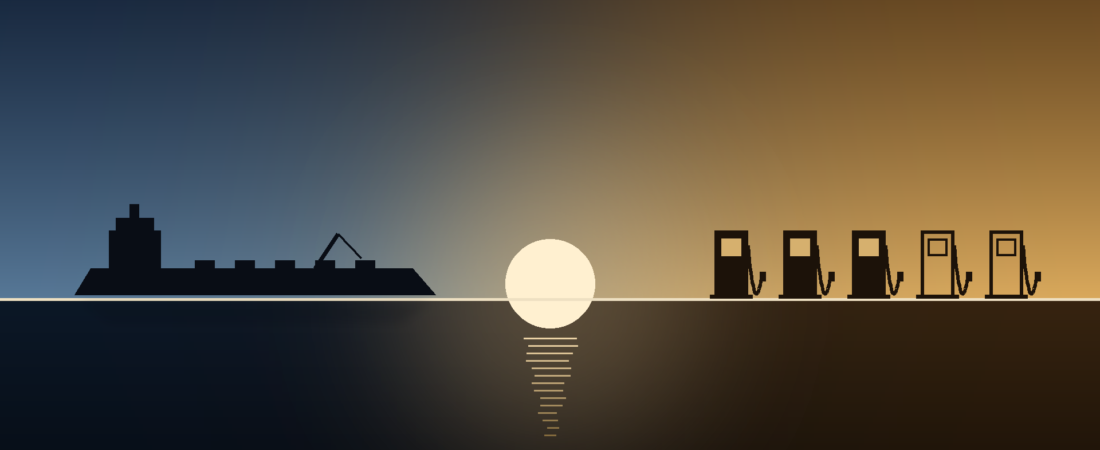
잠나가르의 유조선과 워싱턴의 전광판은 같은 이야기의 양 끝이다. 한쪽에는 기름을 실어 나르는 배가 있고, 다른 쪽에는 그 항로에 가격표를 다시 붙이려는 서명이 있다.
① 세계의 시선
같은 표결을 놓고, 세 개의 조명이 켜졌다.
통신사들은 표를 셌다. 86 대 11. 초당적 압승. 로이터와 AP의 첫 문장은 이 숫자가 전부였다. 분열의 시대에 상원이 이 정도로 모이는 일은 드물다 — 그래서 숫자 자체가 뉴스였다. 무엇에 합의했는지보다, 합의했다는 사실이 먼저 보도됐다.
인도 언론은 온도가 달랐다. 델리의 헤드라인에는 물음표가 붙었다. “인도는 100% 관세를 맞게 되는가.” 힌두스탄부터 데칸까지, 인도 매체들이 계산한 것은 표결이 아니라 청구서였다 — 러시아산이 끊기면 연간 90~110억 달러의 추가 수입 부담. 같은 법안이 워싱턴에서는 ‘제재’로, 델리에서는 ‘물가’로 읽혔다.
유럽의 정책 매체들은 법안의 설계도를 뜯었다. 그리고 다른 것을 발견했다. 이 법의 핵심은 세율이 아니라 재량이라는 것. 100%는 자동으로 부과되지 않는다. 대통령이 ‘국익’을 의회에 인증하면 면제할 수 있고, 대상국은 180일마다 다시 평가된다. 민주당 하원의원 그레고리 믹스는 이렇게 불렀다 — “대통령에게 동맹국 관세를 열어주는 거대한 뒷문.” 유럽외교협회(ECFR)의 표현은 더 건조했다. “의회가 승인한, 재량적 관세 무기.”
세 조명이 공유한 전제가 하나 있다. 모두 이것을 러시아에 관한 법으로 읽었다는 것이다. 그러나 러시아는 이 법의 과세 대상이 아니다. 과세 대상은 러시아의 고객들이다. 기름을 판 나라가 아니라, 기름을 산 나라들이 계산서를 받는다. 그 고객들이 어떤 세계에 살고 있는지는, 표결 숫자에는 나오지 않는다.
② 또 하나의 세계
관세의 사정거리 안에 있는 세 나라를 들여다본다. 셋은 같은 리스트에 있지만, 같은 이야기 속에 있지 않다.
인도 — 46%의 산수
숫자부터. 2022년 2월 이전, 인도의 원유 수입에서 러시아산은 1%가 되지 않았다. 올해 6월, 하루 260만 배럴 — 전체 수입의 46%다. 4년 만에 1%가 46%가 됐다. 중동산 비중은 38%로 사상 최저다.
이것은 이념의 결과가 아니다. 할인의 결과다. 서방이 러시아산에 등을 돌리자 배럴당 가격이 내려갔고, 세계에서 가장 빠르게 기름 수요가 늘어나는 나라가 그 앞에 줄을 섰다. 14억 명의 물가가 그 할인 위에 얹혀 있다.
델리의 시선에서 이 법안은 이렇게 읽힌다 — 우리 국민의 기름값을 왜 워싱턴이 정하는가. 크렘린의 논평은 한 문장이었다. “이익이 되는 한, 인도는 계속 살 것이다.” 뼈아픈 것은 그 말이 협박이 아니라 관찰이라는 점이다.
헝가리 — 파이프라인은 선택이 아니라 지리다
부다페스트는 6월 한 달에만 5억 9,100만 유로어치의 러시아산 에너지를 들여왔다. EU 최대다. 헝가리의 항변은 단순하다 — 내륙국에 바다는 없고, 파이프라인은 이사할 수 없다. 드루즈바 송유관은 소련 시절에 깔렸고, 헝가리 정유 설비는 그 기름에 맞춰 지어졌다.
절반은 사실이고, 절반은 알리바이다. 대체 경로는 존재하지만 비싸고, 부다페스트는 그 비용을 치를 정치적 의사가 없다. 그리고 이 법안에는 흥미로운 문장이 하나 숨어 있다 — 러시아 가스 수출의 15% 미만을 수입하면서 감축을 진행 중인 나라는 면제될 수 있다. 빠져나갈 문은 설계되어 있다. 문제는 그 문을 통과할지를 결정하는 사람이 부다페스트가 아니라 워싱턴이라는 것이다.
슬로바키아 — 리스트에 오른 줄도 몰랐던 나라
브라티슬라바는 다섯 나라 중 가장 조용하다. 인구 540만의 내륙국이 중국, 인도와 같은 리스트에 오른 것은 규모 때문이 아니라 구조 때문이다 — 드루즈바 관에서 내려오는 원유가 국가 정유 산업의 척추다.
슬로바키아의 사정이 보여주는 것은 이 법의 그물이 얼마나 성긴가다. 상위 다섯이라는 기준은 절대량을 재지 않는다. 그래서 하루 수백만 배럴을 사는 나라와, 파이프라인 하나에 묶인 소국이 같은 칸에 앉는다. 그리고 EU는 관세동맹이다 — 한 회원국을 겨눈 관세는 스물일곱 나라의 통상 구조를 함께 건드린다.
세 나라의 공통점은 하나다. 셋 모두 러시아의 전쟁을 시작하지 않았고, 셋 모두 그 전쟁의 기름값 구조 안에서 각자의 계산을 했으며, 이제 그 계산서가 워싱턴을 경유해 되돌아오고 있다는 것이다.
③ AURA의 시선
관세의 옵션화 — 세율은 행사가격이다
EP.004에서 우리는 ‘법의 재고’를 봤다 — 죽은 법은 폐기되지 않고 보관된다. 이번 법안은 다음 단계를 보여준다. 이제 관세는 부과되지 않는다. 발행된다.
이 법이 만든 것은 세금이 아니라 옵션이다. 100%는 세율이 아니라 행사가격이고, 대통령의 재량이 그 옵션의 프리미엄이다. 180일마다 대상국이 재평가된다는 조항은 만기 연장 조건이다. 부과하지 않아도 효과는 이미 발생한다 — 리스트에 오른 순간, 그 나라와 거래하는 모든 기업의 리스크 계산서가 바뀌기 때문이다.
금융의 언어를 빌리면, 워싱턴은 관세를 현물에서 파생상품으로 진화시키고 있다.
그림자 프리미엄 — 제재는 운임이 된다
제재 4년의 결과를 바다에서 세어 보면 이렇다. 정체를 숨긴 노후 유조선, 이른바 그림자 선단이 약 940척 — 세계 탱커 선복의 17~19%다. 지난여름 기준, 러시아 해상 원유 수출의 절반 남짓만이 G7 관할 선박으로 움직였고 그 비중은 줄고 있다.
제재는 항로를 지우지 못했다. 항로의 가격을 바꿨을 뿐이다. 러시아-아시아 항로의 운임은 오르고 항해는 길어졌다. 규정을 지키는 선복이 빠져나간 자리에서, 규정 밖의 선복이 리스크를 운임에 얹어 받는다. EP.003의 명제를 다시 쓰게 된다 — 운임은 관세의 그림자 가격이었다. 이제 운임은 제재의 그림자 가격이기도 하다.
물류 실무 함의 — 두 개의 탱커 시장
실무자에게 이 법안이 예고하는 것은 탱커 시장의 이중화다. 컴플라이언트 선복(서방 보험·선급·항만 서비스 접근 가능)과 그림자 선복의 운임이 서로 다른 논리로 움직이는 시장. 100% 관세가 실제로 행사되면 인도의 조달이 중동으로 일부 회귀하고, 그 순간 VLCC 수급 지도가 다시 그려진다. 화학·석유화학 화주라면 원료 조달선의 원산지 리스크를 관세 리스크와 함께 볼 때가 왔다 — 서류상 완벽한 원산지도, 재량이라는 변수 앞에서는 확정이 아니다. EP.004의 문장을 여기에 다시 놓는다. 서류가 지켜주지 못하는 관세가, 이제 바다에도 온다.
AURA Insight
86 대 11이라는 숫자를 다시 본다.
분열의 시대에 이런 표는 좀처럼 나오지 않는다. 그런데 그 합의의 내용을 뜯어보면 서늘한 데가 있다. 상원이 합의한 것은 러시아를 벌하는 방법이 아니다. 러시아의 고객을 벌할 수 있는 권한을, 백악관에 넘기는 것이다. 초당적 합의는 제재에 대한 합의가 아니라, 관세라는 도구에 대한 합의였는지도 모른다.
관세는 원래 국경의 세금이었다. 지난 몇 년 사이 그것은 협상 카드가 됐고, 이번 주에는 옵션이 됐다. 세계가 이 도구의 진화에 익숙해질수록, 무역의 언어에서 ‘확정’이라는 단어가 지워진다. 세율은 언제든 발행될 수 있고, 면제는 언제든 회수될 수 있다. 기업이 설계할 수 있는 것은 세율이 아니라 노출뿐이다.
그리고 바다에서는, 이미 답이 나와 있다. 940척의 배가 이름을 바꾸고 보험을 갈아타며 같은 기름을 실어 나른다. 제재는 기름의 흐름을 멈추지 못했다. 다만 세계가 같은 기름값을 두 번 내게 만들었다 — 한 번은 배럴로, 한 번은 리스크로.
세계를 이해하는 것은 더 많은 뉴스를 읽는 일이 아니다. 워싱턴의 전광판과 잠나가르 앞바다의 낡은 유조선을, 하나의 장부에 같이 적는 일이다.
AURA Question
당신의 공급망에서 ‘확정’이라고 믿고 있는 조건은 무엇입니까 — 그리고 그것이 사실은 누군가의 옵션이라면, 당신은 프리미엄을 얼마로 계산하고 있습니까?
English Edition — Five Gas Stations
The Senate voted 86 to 11. Two of the five countries in the crosshairs are EU members. Washington is sending a bill to its allies’ fuel pumps.
Introduction
Off Jamnagar, on India’s western coast.
A tanker past its twentieth year waits for a berth. The ship has changed its name twice in recent years, and its flag once. The insurer on its certificate is a company no one has heard of. But oil is oil. Once discharged, this crude enters the world’s largest refining complex, becomes gasoline — and, perhaps, jet fuel bound for Europe.
Cut to Washington, August 8. The Senate board lights up: 86 to 11.
The bill has a long name — the Graham Sanctioning Russia and Iran Act. Its content fits in one sentence: the president may impose tariffs of up to 100 percent on the five countries that buy the most Russian oil and gas.
The five names are not obscure. China. India. Azerbaijan. And then: Hungary and Slovakia.
You stop at the last two. EU members. NATO allies. A law built to aim at Russia has allies standing inside its range.
The tanker off Jamnagar and the board in Washington are two ends of the same story. On one end, a ship carrying oil. On the other, a signature trying to re-price its route.
① The Global Lens
Three lights on the same vote.
The wire services counted heads: 86 to 11, a bipartisan landslide. In an age of division, the Senate rarely gathers like this — so the number itself was the news. What was agreed mattered less, at first, than the fact of agreement.
The Indian press ran a different temperature. Delhi’s headlines carried question marks: will India face 100 percent tariffs? What Indian outlets calculated was not the vote but the invoice — an estimated $9 to 11 billion a year in added import costs if Russian barrels stop flowing. The same bill read as “sanctions” in Washington and as “the price of onions and diesel” in Delhi.
Europe’s policy press took the machine apart and found something else. The heart of this law is not the rate; it is the discretion. The 100 percent is not automatic. The president can waive it by certifying “national interest” to Congress, and the target list is reassessed every 180 days. Democratic Representative Gregory Meeks called it “a massive backdoor authority for the president to impose tariffs” on allies. The ECFR’s phrasing was drier: a discretionary, congressionally approved tariff weapon.
The three lenses shared one premise: all of them read this as a law about Russia. But Russia is not the taxable party. Its customers are. The countries that bought the oil — not the one that sold it — receive the bill. What worlds those customers live in does not appear on the vote board.
② The Other World
Three countries inside the blast radius. They share a list, not a story.
India — the arithmetic of 46 percent. Before February 2022, Russian crude was less than one percent of India’s oil imports. This June: 2.6 million barrels a day — 46 percent of the total. One percent became forty-six in four years; the Middle East’s share fell to a record-low 38. This is not ideology. It is a discount. When the West turned away from Russian barrels, the price fell, and the world’s fastest-growing oil consumer stepped into the queue. The cost of living of 1.4 billion people now sits on top of that discount. From Delhi, the bill reads one way: why does Washington set the price at our pumps? The Kremlin’s comment was a single sentence — as long as it is profitable, India will keep buying. What stings is that this was not a threat. It was an observation.
Hungary — a pipeline is geography, not a choice. In June alone, Budapest imported €591 million of Russian energy, the most in the EU. Its defense is simple: a landlocked country has no coastline, and pipelines do not relocate. The Druzhba line was laid in Soviet times; Hungary’s refineries were built for its crude. Half of this is fact, half is alibi — alternatives exist, they are simply expensive, and Budapest has no political appetite for the expense. And one sentence hides inside the bill: a country importing less than 15 percent of Russia’s gas exports, while demonstrably reducing dependence, may be exempted. An exit door is built into the law. The problem is that whether Hungary fits through it will be decided in Washington, not Budapest.
Slovakia — the country that didn’t know it was on a list. Bratislava is the quietest of the five. A landlocked nation of 5.4 million shares a column with China and India not because of scale but because of structure: crude descending the Druzhba line is the spine of its refining industry. Slovakia’s case shows how coarse the net is. “Top five” measures rank, not volume — so a country buying millions of barrels a day sits beside a small state chained to a single pipe. And the EU is a customs union: a tariff aimed at one member touches the trade architecture of twenty-seven.
The three share exactly one thing. None of them started Russia’s war; all of them did their own arithmetic inside its oil-price structure; and now the bill is coming back to them — by way of Washington.
③ The AURA Perspective
The optionization of tariffs. In EP.004 we described the inventory of laws — dormant statutes stored, not discarded. This bill shows the next stage: tariffs are no longer imposed. They are issued. What the law creates is not a tax but an option. The 100 percent is a strike price; presidential discretion is the premium; the 180-day reassessment is a rollover clause. Nothing needs to be imposed for the effect to arrive — the moment a country is listed, the risk ledger of every firm trading with it is rewritten. In financial language: Washington is evolving the tariff from a spot instrument into a derivative.
The shadow premium — sanctions become freight. Count four years of sanctions at sea and you get this: roughly 940 aging tankers of concealed ownership — 17 to 19 percent of global tanker capacity. As of last summer, only just over half of Russia’s seaborne crude moved on G7-jurisdiction ships, and the share is falling. Sanctions did not erase the route. They re-priced it. Freight on Russia-to-Asia runs rose and voyages lengthened; where compliant tonnage exits, non-compliant tonnage charges the risk back as freight. EP.003’s thesis needs an amendment: freight was the shadow price of tariffs. It is now the shadow price of sanctions, too.
Two tanker markets. For operators, the bill foreshadows a bifurcation: compliant tonnage — with access to Western insurance, class, and ports — and shadow tonnage, each pricing by its own logic. If the 100 percent is ever exercised, part of India’s procurement swings back to the Middle East, and the VLCC map is redrawn overnight. Chemical and petrochemical shippers should now read feedstock origin risk and tariff risk on the same page — because even perfect paperwork is not a settlement when the variable is discretion. EP.004’s sentence belongs here as well: the tariff that paperwork cannot deflect has now come to sea.
AURA Insight
Look again at 86 to 11.
Votes like this rarely happen in an age of division. But open up what was agreed and there is a chill in it. The Senate did not agree on how to punish Russia. It agreed to hand the White House the authority to punish Russia’s customers. The bipartisan consensus may not have been about sanctions at all — it may have been about the tool.
A tariff used to be a tax at the border. In recent years it became a bargaining chip; this week it became an option. The more the world grows used to this evolution, the more the word “settled” fades from the language of trade. A rate can be issued at any time; an exemption can be recalled at any time. What a company can engineer is no longer its tariff rate — only its exposure.
And at sea, the answer is already in. Nine hundred and forty ships change names and insurers and carry the same oil. Sanctions did not stop the flow. They made the world pay for the same barrel twice — once in dollars, once in risk.
To understand the world is not to read more news. It is to enter the Senate scoreboard and the old tanker off Jamnagar into the same ledger.
AURA Question
Which terms in your supply chain do you believe are settled — and if they are, in fact, someone else’s option, what premium have you priced in?
Sources
사실 (Facts)
- 상원 표결(86-11, 8/8)·법안명·대상 5개국: Deccan Herald, The Week
- 법안 구조(재량·국익 인증 면제·180일 재평가·15% 예외 조항)·믹스 의원 및 ECFR 발언·헝가리 €591M·EU 관세동맹 논점: EU Perspectives, Euronews
- 인도 수입 데이터(6월 260만 bpd·46%·중동 38% 최저): AlCircle/기사 원출처 보도
- 인도 추가 부담 $9~11B 추산: Deccan Herald
- 그림자 선단 규모(약 940척, 17~19%)·G7 선복 비중 하락·운임 상승: EU Today
- 크렘린 “이익이 되는 한 계속 산다”: Deccan Herald
편집적 해석 (Editorial Interpretation)
- ‘관세의 옵션화'(행사가격·프리미엄·만기 연장), ‘그림자 프리미엄 — 운임은 제재의 그림자 가격’, ‘두 개의 탱커 시장’, 그리고 86표를 “도구에 대한 합의”로 읽는 관점은 AURANIM의 독자적 분석이다.
- 그림자 선단 수치는 2025년 집계 기준으로, 현 국면의 구조적 배경으로 인용했다. 법안은 하원·대통령 서명 절차가 남아 있으며, 본문은 이를 ‘확정된 법’이 아닌 ‘발행된 옵션’으로 서술한다.
함께 읽기
- 두바이유·브렌트유·WTI 차이는 무엇일까 — 주유소 가격의 출발점은 하나가 아니다
- 연휴 끝나면 기름값 오를까 — 국제 시세가 주유소에 도착하는 시차
- 유가가 오르면 물가는 얼마나 오를까 — 기름값과 물가의 연결고리