THREE PERSPECTIVES · EP.006
세계(世界)를, 세 개(三個)의 시선으로 읽는다
오늘, 캐나다산 자동차와 치즈와 위스키에 50% 관세가 발효되기로 한 날이다. 협상은 마지막까지 이어졌다. 그런데 이 협상에는 처음부터 결함이 하나 있었다 — 미국이 요구한 것들 중 절반은, 캐나다 연방정부가 약속할 권한이 없는 것들이었다.
우리는 뉴스를 읽지 않습니다. 우리는 세상을 읽습니다.
Read this article in English ↓
Introduction
밴쿠버의 주정부 주류판매점.
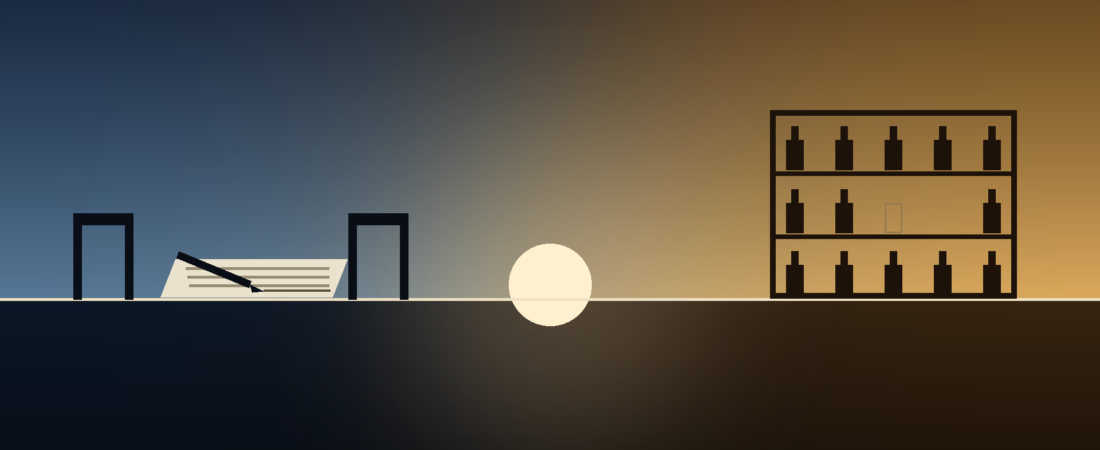
선반 한 칸이 비어 있다. 정확히는, 비어 있던 자리에 다른 병들이 채워져 있다. 켄터키 버번이 있던 자리다. 지난해 봄, 브리티시컬럼비아 주류위원회가 미국산을 선반에서 내렸을 때부터다. 점원은 이제 그 자리가 원래 어땠는지 묻는 손님이 거의 없다고 말할 것이다. 선반은 빨리 잊는다.
장면을 바꾼다. 워싱턴 D.C. 지난 3주 동안 세 번째 장관급 회담. 캐나다 통상장관과 미국 무역대표부 대표가 마주 앉았다. 미국은 관세를 일부 낮추는 안을 내밀었고, 캐나다는 부족하다고 답했다. 장관은 회담장을 나서며 말했다. “필요한 만큼, 몇 번이든 만나겠다.”
그리고 오늘 — 8월 19일. 두 나라가 합의하지 못하면, 캐나다산 자동차·유제품·주류 약 200억 달러어치에 50% 관세가 발효되는 날이다.
이 글이 발행되는 수요일 아침(한국시간) 기준, 발효까지 세 시간이 남아 있다 — 시한은 미 동부시간 19일 0시 1분, 한국시간 오후 1시 1분이다. 전날 오후, 카니 총리는 트럼프 대통령과 직접 전화로 담판했다. 결과 발표는 없었다. 카니가 기자들에게 남긴 말은 이것뿐이었다. “협상은 매우 격렬하고 민감하다. 지금은 협상을 공개적으로 이야기할 때가 아니다.” 자동차에서는 미국이 관세를 25%에서 15%로 낮추는 안을 냈다고 전해졌지만, 어떤 부품까지를 ‘미국산’으로 인정할 것인가라는 원산지 회계 문제가 남았다. 캐나다 자동차 업계의 답은 건조했다 — 마진 6%의 산업에게는, 15%도 사형선고다.
【발효 수 시간 전의 결말 — 8월 19일 업데이트】 관세는 오늘 발효되지 않았다. 발효를 몇 시간 앞둔 화요일 밤(미국시간), 트럼프 대통령이 발표했다 — “캐나다와 미국은, 문서의 최종화를 조건으로, 딜(DEAL)에 도달했다. 내일 아침 발효 예정이던 50% 관세를 사흘간 유예한다.” 새 시한은 8월 22일. 합의의 내용은 공개되지 않았고, 오타와는 논평하지 않았다. 그러니까 이 이야기의 결말은 타결도 발효도 아닌 네 번째 것이다 — 서명 전의 딜. 문서가 최종화되는 사흘 동안에도, 온타리오와 BC의 선반이 그 문서에 함께 서명할지는 여전히 아무도 약속할 수 없다. 이 글의 질문은 사흘 더 유효하다.
그런데 이 협상을 지켜보면서, 우리는 타결 여부보다 더 근본적인 것을 보게 된다. 미국의 요구 목록에는 세 가지가 있었다. 캐나다의 미국차 보복관세 철회. 유제품 쿼터의 미국 몫 보장. 그리고 주정부들의 미국산 주류 보이콧 해제.
첫 번째는 오타와가 할 수 있는 일이다.
나머지 둘은, 엄밀히 말해 오타와의 것이 아니다.
① 세계의 시선
마감 시한을 앞둔 한 주, 언론들은 같은 카운트다운을 서로 다른 온도로 읽었다.
미국 쪽 보도는 낙관의 문법을 썼다. “양국이 타결을 목표로 한다.” 워싱턴포스트와 통신사들의 프레임은 협상 테이블 위에 있었다 — 세 번의 장관급 회담, 미국의 완화안 제시, 양쪽 모두 합의를 원한다는 소식통. 이 문법에서 관세는 카드이고, 카드는 결국 내려놓기 위해 잡는 것이다.
캐나다 쪽 보도는 비관의 결을 담았다. CBC의 소식통들은 다른 이야기를 전했다 — 미국의 완화안은 캐나다가 원한 수준에 못 미쳤고, 협상단 내부에서는 관세가 실제로 발효될 것이라는 우려가 돌고 있다고. 전직 주미대사는 총리와 대통령의 직접 담판만이 포괄적 타결을 만들 수 있다고 말했다. 장관급의 테이블은 이미 한계에 닿았다는 뜻이다.
그리고 소수의 분석 보도만이 세 번째 각도를 비췄다 — 이 협상의 구조 자체를. 미국의 요구 중 주류 보이콧 해제는 연방정부가 주정부 주류위원회를 강제할 수 없어서 이행이 불가능하고, 유제품은 어느 정당도 건드릴 수 없는 정치적 성역이라는 것.
세 조명이 공유한 전제는 “타결이냐, 발효냐”라는 이분법이었다. 그러나 진짜 질문은 다른 곳에 있다. 오타와가 서명한다 해도 — 그 서명은 무엇을 보증하는가.
② 또 하나의 세계
이 협상에는 캐나다가 하나가 아니라 셋이 앉아 있다. 문제는 그중 둘이 협상장에 없다는 것이다.
오타와 — 서명할 수 있지만 이행할 수 없는
카니 총리의 처지는 줄타기다. 타결하지 못하면 200억 달러의 관세가 국내 산업을 때리고, 타결하면 “미국에 굴복했다”는 국내 정치의 청구서가 날아온다. 그가 미국차 보복관세를 내려놓는 것은 가능하다 — 그것은 연방의 권한이다. 그러나 미국이 함께 요구한 나머지 둘 앞에서, 연방정부의 펜은 멈춘다. 캐나다 헌법에서 주류 유통은 주(州)의 소관이다. 금주법 시대가 끝난 1920년대부터 그랬다. 100년 된 권한 배분을, 3주짜리 협상이 바꿀 수는 없다.
온타리오 — 조건을 건 사람
더그 포드 주지사는 보이콧 해제에 조건을 걸었다. 미국이 자동차·철강 관세를 먼저 내리면 생각해 보겠다는 것이다. 그리고 이유를 한 문장으로 요약했다. “나는 트럼프 대통령을 믿지 않는다.”
온타리오의 계산은 단순하다. 이 주는 캐나다 자동차 산업의 심장이고, 미국의 232조 관세에 가장 크게 노출된 곳이다. 주류 선반은 온타리오가 가진 몇 안 되는 지렛대다. 연방이 협상 테이블에서 무엇을 약속하든, 온타리오는 자기 지렛대를 자기 손에 쥐고 있겠다는 것이다.
브리티시컬럼비아 — 문을 닫은 사람
데이비드 이비 주지사는 조건조차 걸지 않았다. “미국 술이 우리 선반에 돌아갈 가능성은, 지옥에도 없다.”
이 말의 무게는 수사가 아니라 구조에서 나온다. BC 주류위원회는 주정부 기관이고, 오타와는 그 기관에 명령할 수 없다. 다시 말해 — 미국이 캐나다 연방정부에게 요구한 양보 중 하나는, 캐나다 연방정부가 세상 어떤 문서에 서명해도 이행을 보증할 수 없는 양보다.
퀘벡의 유제품은 같은 이야기의 다른 판본이다. 공급관리제는 법적으로는 연방 소관이지만 정치적으로는 건드리는 순간 정권이 흔들리는 성역이다. EP.004에서 본 그대로 — 9,720만 달러짜리 품목이 협상 전체의 가장 단단한 매듭이 되는 이유다.
협상장에는 두 나라가 앉아 있지만, 실제로는 워싱턴 하나와 캐나다 셋이 앉아 있다. 그리고 워싱턴이 받아야 할 서명 중 두 개는, 테이블에 앉지도 않은 사람들의 것이다.
③ AURA의 시선
약속할 수 없는 양보 — 서명과 이행 사이의 거리
국제통상의 오래된 전제가 있다. 국가는 하나의 인격으로 협상한다는 것. 서명은 이행을 보증하고, 보증하지 못하면 책임을 진다는 것. WTO도, FTA도, 이 전제 위에 지어졌다.
이번 협상은 그 전제가 연방국가 앞에서 흔들리는 장면을 보여준다. 미국의 요구 3개 중 2개는 오타와의 권한 밖이다. 이것을 우리는 ‘약속할 수 없는 양보’라고 부르기로 한다 — 협상 상대의 서명이 이행을 보증하지 못하는 요구. 이런 요구가 테이블에 오르는 순간, 협상은 타결되어도 끝나지 않는다. 서명 다음 날부터, 이행이라는 두 번째 협상이 시작되기 때문이다.
아이러니는 미국 자신이 연방국가라는 것이다. 캘리포니아의 배출 규제를, 텍사스의 전력망을, 워싱턴 D.C.가 외국에 약속할 수 있는가. 워싱턴은 자신이 줄 수 없는 종류의 것을, 오타와에게 요구하고 있다.
옵션의 재장전 — EP.005의 연장
지난주 우리는 ‘관세의 옵션화’를 봤다 — 관세는 부과되지 않고 발행된다. 이번 주는 그 옵션이 왜 소멸하지 않는지를 보여준다.
이행이 보증되지 않는 합의는, 재량 관세의 명분을 재생산한다. 캐나다가 서명해도 BC의 선반이 그대로라면, 워싱턴은 언제든 “합의 불이행”을 이유로 옵션을 다시 집어들 수 있다. 집행 불가능한 합의는 분쟁의 종결이 아니라 다음 옵션의 원료다. 관세 전쟁이 협정 하나로 끝나지 않는 구조적 이유가 여기에 있다.
실무 함의 — 어느 쪽으로 굴러가든
오늘 아침의 결말이 무엇이든, 실무자의 체크포인트는 같다.
발효된다면 — 50%는 기존 관세 위에 얹히고 USMCA 서류는 방패가 되지 않는다(실무 체크리스트는 지난 글에서 다뤘다). 통관일 기준이므로 오늘 0시 1분이 분수령이다. 연기된다면 — 프런트로딩으로 앞당겨진 물량의 재고 비용이 청구되기 시작한다. 관세의 선불에는 이자가 붙는다. 부분 타결이라면 — 품목별 명세를 원문으로 확인해야 한다. “타결”이라는 헤드라인과 관세 부속서의 품목표는 자주 다르다.
그리고 셋 중 무엇이든, 주정부의 선반은 별도의 시계로 움직인다는 것 — 그것이 이 글의 결론이자, 다음 분쟁의 예고다.
AURA Insight
우리는 조약이 국가와 국가 사이의 약속이라고 배웠다. 그러나 이번 주의 국경이 보여준 것은 다르다. 조약의 진짜 상대는 국가가 아니라, 그 국가의 헌법 구조다.
서명하는 손과 이행하는 손이 다른 나라가 있다. 캐나다가 그렇고, 미국이 그렇고, 사실 연방제를 채택한 모든 나라가 그렇다. 세계화가 순항하던 시대에 이 간극은 보이지 않았다 — 무역이 모두에게 이익일 때, 주정부가 연방의 서명을 거스를 이유가 없었기 때문이다. 관세의 시대는 그 간극을 다시 보이게 만들었다. 보이콧은 주도(州都)에서 시작됐고, 해제도 주도에서만 끝날 수 있다.
기업에게 이것은 철학의 문제가 아니라 지도의 문제다. 국가 단위로 그려진 리스크 지도는 이제 해상도가 부족하다. “캐나다 리스크”라는 칸 아래에 온타리오의 칸과 BC의 칸과 퀘벡의 칸이 따로 필요하다. 관세는 국경에서 걷히지만, 관세를 만드는 정치는 그보다 훨씬 안쪽에서 만들어진다.
세계를 이해하는 것은 더 많은 뉴스를 읽는 일이 아니다. 협상 테이블의 서명란과, 밴쿠버 주류판매점의 빈 선반 사이의 거리를 재는 일이다.
그 거리가, 이번 협상의 진짜 의제였다.
AURA Question
당신의 리스크 지도는 국가 단위로 그려져 있습니까 — 그렇다면 그 지도에서, 서명하는 손과 이행하는 손이 다른 나라는 몇 개나 됩니까?
English Edition — What a Federation Cannot Promise
Today is the day 50 percent tariffs on Canadian cars, cheese and whisky were set to take effect. The talks ran to the last hour. But this negotiation carried a flaw from the start: half of what Washington demanded, Ottawa has no power to promise.
Introduction
A government liquor store in Vancouver.
One shelf section is not empty, exactly — other bottles have moved into it. It is where the Kentucky bourbon used to be, before British Columbia’s liquor board pulled American products last spring. The clerk will tell you almost nobody asks anymore what used to sit there. Shelves forget quickly.
Cut to Washington. The third ministerial meeting in three weeks. Canada’s trade minister across the table from the U.S. Trade Representative. The Americans offered to lower some tariffs; Canada answered that it was not enough. Leaving the room, the minister said: “We’ll have as many meetings as it takes.”
And today — August 19. If the two countries fail to agree, a 50 percent tariff takes effect on roughly $20 billion of Canadian cars, dairy and alcohol.
As this article is published on Wednesday morning Korea time, three hours remain — the deadline is 12:01 a.m. Eastern, 1:01 p.m. in Seoul. The evening before, Prime Minister Carney took his case directly to President Trump by phone. No result was announced. All Carney left reporters was this: “The negotiations are very intense and delicate. This is not the time to talk about negotiations in public.” On autos, Washington reportedly offered to cut its tariff from 25 to 15 percent — but the question of which parts count as “American” remained open. The Canadian auto industry’s answer was dry: for an industry running on 6 percent margins, even 15 is a death sentence.
But watching this negotiation, you begin to see something more fundamental than whether it succeeds. Washington’s list held three demands. Drop Canada’s retaliatory tariff on U.S. vehicles. Guarantee America’s share of the dairy quota. And end the provincial boycotts of American alcohol.
The first is something Ottawa can do.
The other two, strictly speaking, are not Ottawa’s to give.
[UPDATE, August 19] The tariffs did not take effect today. Hours before the deadline, President Trump announced that the two countries had reached “a DEAL” — “subject to the finalization of documents” — and paused the 50 percent tariffs for three days. The new deadline: August 22. The terms were not disclosed; Ottawa declined to comment. So the ending is neither a deal nor an imposition but a fourth thing — a deal before the signature. And even while the documents are being finalized, no one can promise that the shelves of Ontario and British Columbia will co-sign them. This article’s question remains open for three more days.
① The Global Lens
One countdown, three temperatures.
The American coverage wrote in the grammar of optimism: both sides aim for a deal. Three ministerial rounds, a U.S. relief offer, sources saying everyone wants an agreement. In this grammar a tariff is a card, and cards are held in order to be put down.
The Canadian coverage carried the grain of pessimism. CBC’s sources told a different story — the American offer fell short of what Ottawa sought, and inside the negotiating team there was fear the tariffs would actually land. A former ambassador to Washington said only a leaders’ summit could close a comprehensive deal. Translation: the ministers’ table has reached its limit.
And only a handful of analytical pieces lit the third angle — the structure of the negotiation itself. That the demand to end the alcohol boycotts cannot be delivered, because the federal government cannot command provincial liquor boards; that dairy is a sanctuary no party dares touch.
All three lenses shared one premise: deal or no deal. But the real question sits elsewhere. Even if Ottawa signs — what does that signature guarantee?
② The Other World
Three Canadas sit in this negotiation. The problem is that two of them are not in the room.
Ottawa — able to sign, unable to deliver. Prime Minister Carney walks a wire. Fail, and $20 billion in tariffs hits Canadian industry; succeed, and the domestic bill arrives marked “capitulation.” He can withdraw the retaliatory auto tariff — that is federal power. But before the other two demands, the federal pen stops. Under Canada’s constitution, liquor distribution belongs to the provinces, and has since the end of Prohibition in the 1920s. A hundred-year-old division of powers does not bend to a three-week negotiation.
Ontario — the man with conditions. Premier Doug Ford attached a price to lifting the boycott: let Washington drop its auto and steel tariffs first. His reasoning fit in one sentence — “I just don’t trust President Trump.” Ontario’s arithmetic is plain. It is the heart of Canada’s auto industry and the province most exposed to Section 232. The liquor shelf is one of the few levers Ontario holds, and it intends to keep that lever in its own hand — whatever the federal table promises.
British Columbia — the man who closed the door. Premier David Eby attached no conditions at all: “There is not a chance in hell that U.S. alcohol is going back on the shelf.” The weight of that sentence comes not from rhetoric but from structure. The BC liquor board is a provincial body, and Ottawa cannot order it. Which means one of the concessions Washington demanded from Canada’s federal government is a concession that government cannot guarantee — no matter what document it signs.
Quebec’s dairy is the same story in another key: legally federal, politically untouchable. As we saw in EP.004 — how a $97 million product becomes the hardest knot on the table.
Two countries sit at the table. In truth: one Washington, and three Canadas — and two of the signatures Washington needs belong to people who never took a seat.
③ The AURA Perspective
The concession that cannot be promised. International trade rests on an old premise: a state negotiates as a single person. A signature guarantees performance. The WTO and every FTA are built on it. This negotiation shows that premise wobbling before a federation. Two of Washington’s three demands lie outside Ottawa’s power. Call it the unpromisable concession — a demand whose fulfillment the counterparty’s signature cannot secure. The moment such a demand reaches the table, the negotiation cannot truly end in agreement; the day after signing, a second negotiation — called implementation — begins. The irony: America is a federation too. Can Washington promise a foreign power what California will regulate, or how Texas runs its grid? It is demanding from Ottawa the very kind of thing it could never give.
Reloading the option — EP.005, continued. Last week we watched tariffs become options — issued, not imposed. This week shows why such options never expire. An agreement that cannot be enforced regenerates the case for discretionary tariffs. If Canada signs and BC’s shelves stay bare, Washington can pick the option back up at any time, citing non-compliance. An unenforceable agreement is not the end of a dispute; it is raw material for the next option. Here is the structural reason tariff wars do not end with a single deal.
For operators — whichever way it breaks. If the tariffs land: 50 percent stacks on everything, USMCA paperwork is no shield, and the dividing line is entry at 12:01 a.m. today. If they are delayed: the inventory cost of frontloaded cargo starts accruing — prepaid tariffs charge interest. If there is a partial deal: read the annex, not the headline; “agreement” and the tariff schedule are often different documents. And in all three cases, the provincial shelves run on their own clock — which is both this article’s conclusion and the next dispute’s preview.
AURA Insight
We were taught that a treaty is a promise between states. What this week’s border showed is different: the true counterparty of a treaty is not a state but its constitutional structure.
There are countries where the hand that signs and the hand that delivers are not the same. Canada is one. America is another. So, in truth, is every federation. In the years when globalization ran smoothly, the gap stayed invisible — when trade profits everyone, no province has a reason to defy a federal signature. The age of tariffs made the gap visible again. The boycotts began in provincial capitals, and only in provincial capitals can they end.
For a company, this is not philosophy; it is cartography. A risk map drawn in national units no longer has enough resolution. Beneath the box marked “Canada risk,” you now need boxes for Ontario, for British Columbia, for Quebec. Tariffs are collected at the border — but the politics that make them are manufactured much further inland.
To understand the world is not to read more news. It is to measure the distance between the signature line on a negotiating table and an empty shelf in a Vancouver liquor store.
That distance was this negotiation’s real agenda.
AURA Question
Is your risk map drawn in national units — and if so, how many countries on it have one hand that signs and another that delivers?
Sources
사실 (Facts)
- 협상 경과(3주 3회 장관급 회담·미국 완화안·캐나다 불만·쟁점 3개): CBC 보도 종합, BigGo Finance(CBC 인용)
- “협상단, 관세 발효 우려”·주정부 강경 입장: CBC
- 르블랑 “필요한 만큼 만난다”: BNN Bloomberg
- 막판 쟁점·카니의 정치적 줄타기: Bloomberg, Bloomberg
- 포드 “트럼프를 믿지 않는다”·이비 “지옥에도 없다”·연방의 주정부 강제 불가: TechTimes(8/7)
- Section 338 관세 구조(중복 부과·USMCA 무관·대상 품목): White & Case
편집적 해석 (Editorial Interpretation)
- ‘약속할 수 없는 양보’, ‘집행 불가능한 합의 = 다음 옵션의 원료’, 리스크 지도의 해상도(국가→주 단위) 개념, 그리고 협상 구조 자체를 의제로 읽는 관점은 AURANIM의 독자적 분석이다.
- 본문은 발행일(8/19) 시점 서술이며, 결말(발효/연기/타결)은 발행 당일 아침 확인 후 【업데이트】 문단에 반영한다.
실무 대응은 캐나다 50% 관세 실무 체크리스트에서, 이 조치의 기원은 EP.004 — 1930년의 유령에서 읽으실 수 있습니다.