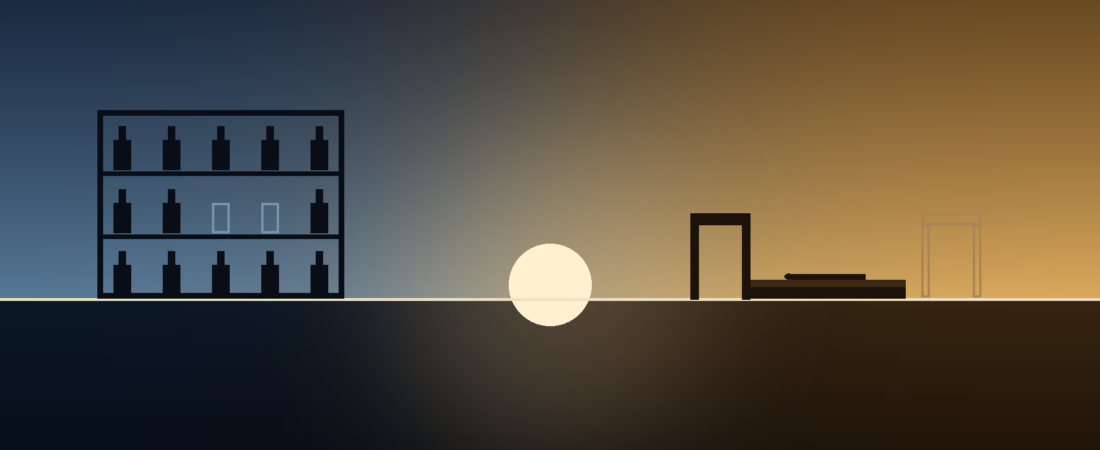
8월 19일, 오타와에서 각 주의 수도로 전화가 걸려갔다.
수화기 너머의 요청은 단순했다. 매대에서 치웠던 미국산 술을 다시 올려달라는 것. 마크 카니 총리는 한마디를 덧붙였다. 여론의 반발은 자신이 다 감수하겠다고.
한 나라의 총리가 위스키 진열대 때문에 주 총리들에게 부탁 전화를 돌리는 장면. 이상하게 들리지만, 이것이 지난주 미국-캐나다 협상의 마지막 사흘이었다. 그리고 그 사흘이 끝났을 때, 술병은 돌아오지 못했고 협상은 무너졌다.
8월 22일 0시, 캐나다산 자동차·유제품·주류 200억 달러어치에 미국의 50% 추가 관세가 발효됐다. 카니 총리는 협상 중단을 선언했고, 9월 8일부터 같은 규모의 보복관세를 예고했다. 그리고 이렇게 말했다.
“공격받으면, 그게 전쟁입니다. 우리는 공격받았습니다.”
지난 화에서 우리는 물었다. 연방이 약속할 수 없는 것을 걸고 하는 협상은 어떻게 되는가. 이번 화는 그 답이다.
사흘 동안 일어난 일
시계를 되돌려보자.
8월 19일 0시 1분, 관세가 발효되기 직전이었다. 트럼프 대통령은 “서류 마무리”를 이유로 사흘의 유예를 발표했다. 딜이 거의 다 됐다는 신호였다.
그 사흘 동안 오타와가 한 일이 흥미롭다. 카니는 주 총리들을 불러 모아 두 가지를 요청했다. 미국산 술을 매대에 복원할 것. 미국 기업을 배제하던 조달 제한을 풀 것. 협상 테이블에서 바로 나온 요구였다. 노바스코샤의 팀 휴스턴 총리가 그렇게 증언했다.
응답은 제각각이었다. 노바스코샤는 수용했다. 노스웨스트 준주도 준비됐다고 했다. 퀘벡은 “판단할 정보가 부족하다”며 유보했다. 그리고 가장 큰 주, 미국산 술 보이콧의 상징이었던 온타리오의 더그 포드는 — 침묵했다.
휴스턴 총리는 수용 의사를 밝히면서도 한마디를 붙였다. “매대에 다시 올린다고 해서, 캐나다인들이 그걸 실제로 살지는 — 그건 완전히 다른 얘기죠.”
이 한마디가 이번 화의 핵심이다. 잠시 뒤에 돌아오자.
8월 21일 밤, 마라톤 협상이 이어졌다. 그리고 자정을 앞두고 무너졌다. 캐나다 측 설명으로는, 미국이 막판에 조건을 바꿨다. 자동차 관세 완화 폭을 줄였고, 캐나다가 제3국과 별도의 무역협정을 맺을 권리에 제한을 걸었고, 문화·주권 관련 보호 조항을 약화시켰다. 카니의 요약은 짧았다. “너무 많이 요구했고, 너무 적게 내놨습니다.”
미국 측 설명은 정반대다. 무역대표부(USTR)의 제이미슨 그리어 대표는 캐나다가 “새로운 요구를 얹고, 이미 합의한 것들을 되물렀다”고 했다. 철강·알루미늄·자동차·목재에서 상당한 관세 인하를 제안했는데도 캐나다가 걷어찼다는 것이다.
8월 22일 0시, 관세 발효. 근거 조항은 96년 만에 깨어난 1930년 관세법 Section 338이다. 캐나다는 협상 중단과 함께 9월 8일 — 노동절 다음 화요일 — 부터 철강, 유제품, 가전, 농기계, 펄프·제지, 전자제품에 “달러 대 달러” 보복관세를 걸겠다고 발표했다.
8월 23일, 트럼프는 트루스소셜에 이렇게 썼다. “캐나다는 주(State)가 되지 않으면서 주의 혜택만 원한다.”
첫 번째 시선 — 워싱턴: “우리는 충분히 줬다”
미국 쪽 서사는 일관된다. 미국은 양보했고, 캐나다는 변덕을 부렸다는 것.
그리어 대표의 발언을 그대로 옮기면 이렇다. “그들은 언제나 최고의 딜을 갖고 있었고, 이번에도 더 좋은 딜을 가질 수 있었습니다. 그런데 그걸 원하지 않았습니다.” 그리고 덧붙였다. “우리는 할 만큼 말했습니다. 그래서 조치를 취한 겁니다. 우리의 관심사는 미국 노동자를 보호하는 것입니다.”
이 서사 안에서 유예 사흘은 미국의 선의였다. 철강·알루미늄·자동차·목재 관세 인하, 항공우주 협력, USMCA 재협상 논의까지 테이블에 올렸는데, 캐나다가 약속을 지키지 못했다는 것이다.
주목할 것은 “약속을 지키지 못했다”는 표현이다. 미국이 보기에, 오타와는 서명하러 왔는데 그 서명을 집행할 능력이 없었다. 술 매대 하나 원상복구하지 못하는 정부가 무역협정의 이행을 보장할 수 있는가 — 워싱턴의 회의론은 여기서 나온다.
두 번째 시선 — 캐나다: 지켜야 할 선이 있었다
오타와의 서사에서 결렬의 원인은 매대가 아니라 주권이다.
카니가 “받아들일 수 없다”고 못박은 조항은 캐나다가 다른 나라와 별도의 무역협정을 맺을 권리에 대한 제한이었다. “미국인들은 그걸 제한하고 싶어 했습니다. 받아들일 수 없습니다.” 관세율은 협상할 수 있어도, 외교의 자유는 협상 대상이 아니라는 것이다.
그의 표현 하나가 캐나다 언론에 반복해서 인용됐다. 미국의 약속은 “연필로 쓰여 있었다.” 지우개 하나면 사라지는 약속에 나라의 미래를 걸 수 없었다는 뜻이다. 카니는 미국이 수십 년의 경제 통합 자체를 “무기로 쓰고 있다”고 했다. 연간 8,800억 달러가 오가는, 수출의 72%가 한 나라로 향하는 관계에서 나온 말이다.
그리고 국내 정치의 층위가 있다. 사흘 동안 드러난 것은 연방과 주들 사이의 온도차만이 아니었다. 토론토의 한 매장 앞에서 시민들은 이렇게 말했다. 미국 술이 매대에 돌아와도 “절대 안 산다(not a chance)”고. 보이콧은 정부가 시작했지만, 이제 정부의 것이 아니었다.
세 번째 시선 — AURA: 약속에는 층이 있다
이 시리즈는 지난 화에서 이렇게 썼다. 연방제 국가의 양보에는 연방이 약속할 수 없는 것이 섞여 있다고. 술 매대는 주의 권한이고, 오타와는 그것을 협상 카드로 쓸 수는 있어도 이행을 보장할 수는 없다고.
사흘의 유예는 그 명제의 실험실이 됐다.
오타와는 실제로 요청했다. 주들은 실제로 제각각 응답했다. 하나는 수용, 하나는 유보, 가장 큰 주는 침묵. 여기까지가 지난 화의 예측 범위다.
그런데 실험은 한 층 더 내려갔다. 휴스턴 총리의 말을 다시 보자. 매대에 올려도 사람들이 살지는 별개라는 것. 약속에는 세 개의 층이 있었던 것이다. 연방의 서명, 주의 이행, 그리고 소비자의 선택. 무역협정은 첫 번째 층만 묶을 수 있다. 두 번째 층은 헌법이 막고, 세 번째 층은 어떤 법도 닿지 못한다.
관세는 국경에서 부과된다. 그러나 보이콧은 계산대에서 결정된다. 워싱턴이 “캐나다는 약속을 못 지킨다”고 말할 때, 그 말은 절반만 맞다. 정확히는, 그 약속은 애초에 누구도 지킬 수 없는 종류였다.
그래서 이 결렬은 협상 실패라기보다 구조의 확인에 가깝다. 미국은 집행 가능한 약속을 요구했고, 캐나다는 집행 가능한 범위 바깥을 걸어야 딜이 성립하는 위치에 있었다. 둘 다 물러설 수 없었던 것은 의지의 문제가 아니라 제도의 문제였다.
이 시리즈가 다섯 화에 걸쳐 추적해온 흐름이 있다. 운임은 관세의 그림자 가격이 되었고(EP.003), 96년 잠들어 있던 법이 재고처럼 꺼내졌고(EP.004), 관세는 행사일이 있는 옵션이 되었고(EP.005), 연방은 약속할 수 없는 것을 걸고 협상 테이블에 앉았다(EP.006). 그리고 이번 화 — 집행할 수 없는 합의는 무너지면서, 다음 옵션의 원료가 된다.
9월 8일이라는 새 만기일이 이미 잡혀 있다. 달러 대 달러라는 행사 조건도 공개됐다. 시장은 이제 두 개의 옵션 사이에 있다. 그리고 양쪽 정부 모두, 자신이 완전히 통제하지 못하는 층 위에서 그 옵션을 팔고 있다.
술병은 매대로 돌아오지 못했다. 어쩌면 처음부터, 그 술병은 누구의 협상 카드도 아니었다.
※ 캐나다 연계 물량이 있는 실무자라면: 9월 8일 보복관세 대비 점검 항목은 캐나다 50% 관세 실무 체크리스트를, 관세가 운임 시장에 나타나는 신호를 읽는 법은 해상운임 지수 읽는 법을 참고.
English Edition
This is not a translation. It is the same story, retold for readers of English.
The Bottles That Never Came Back
On August 19, phone calls went out from Ottawa to the provincial capitals.
The request was simple. Put the American liquor back on the shelves. Prime Minister Mark Carney added one thing: whatever public backlash came, he would bear it himself.
A prime minister calling premiers about whiskey displays sounds absurd. But this was the final act of the U.S.-Canada negotiation. Three days later, the bottles had not returned — and the deal was dead.
At midnight on August 22, American tariffs of 50 percent took effect on $20 billion of Canadian cars, dairy and alcohol. Carney suspended the talks and announced dollar-for-dollar retaliation starting September 8. Then he said: “You’re at war when you get attacked. We got attacked.”
Last week, this series asked what happens when a federation negotiates with concessions it cannot promise. This week, we got the answer.
Three days, three floors
Rewind. Just before the tariffs were due on August 19, President Trump granted a three-day pause — “finalization of documents,” the White House said. A deal seemed close.
What Ottawa did with those three days is the story. Carney asked the premiers for two things that came, in the words of Nova Scotia’s Tim Houston, “directly out of the negotiating table”: restock U.S. alcohol, and lift the bans shutting American firms out of provincial procurement.
The answers scattered. Nova Scotia agreed. The Northwest Territories said they were ready. Quebec said it lacked the information to judge. And Ontario — the largest province, the symbol of the boycott — said nothing at all.
Houston agreed to comply, but added a caveat worth the whole negotiation: “Whether Canadians will actually buy it when it gets back on the shelves — that’s a whole other discussion.”
Hold that thought.
On the night of August 21, marathon talks collapsed. Ottawa says Washington moved the goalposts at the last minute: less tariff relief on vehicles, limits on Canada’s right to sign trade deals with third countries, weaker protections for culture and sovereignty. “They asked too much and they offered too little,” Carney said. Washington says the opposite: Canada piled on “new demands and walk backs of other commitments,” in the words of Trade Representative Jamieson Greer, after the U.S. had offered real cuts on steel, aluminum, autos and lumber.
On August 23, Trump posted his verdict: “Canada wants the benefits of being a State, without being one.”
What the experiment showed
Last week’s essay argued that a federation’s concessions contain things the federation cannot promise. Liquor shelves belong to the provinces; Ottawa can offer them as a bargaining chip but cannot guarantee delivery.
The three-day pause turned that argument into a live experiment. Ottawa asked. The provinces answered — one yes, one maybe, one silence. That much the theory predicted.
But the experiment went one floor deeper. Outside Toronto liquor stores, shoppers told reporters that even if the American bottles came back, they would not buy them. “Not a chance,” one said. The boycott had been started by governments. It no longer belonged to them.
So a promise, it turns out, has three floors: the federal signature, the provincial compliance, the consumer’s choice. A trade agreement can bind only the first. The constitution blocks the second. No law reaches the third.
Tariffs are imposed at the border. Boycotts are decided at the checkout counter. When Washington says Canada cannot keep its promises, it is half right. The full truth is that this particular promise was never keepable — by anyone.
Which is why this collapse is less a failure of negotiation than a confirmation of structure. The United States demanded enforceable commitments. Canada could only close the deal by pledging things outside its enforcement power. Neither side could move, and that was not a matter of will. It was a matter of institutions.
This series has traced one thread across five essays: freight became the shadow price of tariffs; a 96-year-old law was pulled from inventory; tariffs became options with expiry dates; a federation sat down to negotiate with promises it could not make. Now the final link: an unenforceable agreement, when it collapses, becomes the raw material for the next option.
The next expiry date is already set — September 8. The strike terms are public: dollar for dollar. The market now sits between two options. And both governments are selling them from floors of the building they do not fully control.
The bottles never came back to the shelves. Perhaps they were never anyone’s bargaining chip to begin with.
Sources
사실 관계 (보도 기반)
- CP24 — 카니, 주 총리들에게 미국산 주류 복원 요청 (8/19) — 휴스턴·심슨·프레셰트 반응, “반발은 내가 감수” 발언
- CBC News — 미 관세 발효, 협상 결렬 (8/22)
- Al Jazeera — 캐나다 9/8 보복관세 발표 (8/22) — 결렬 경위, 카니·그리어 발언
- Fortune — “You’re at war when you get attacked” (8/22) — 막판 미국 요구 3가지, “연필로 쓴 약속”
- US News/Reuters — 보복 패키지 부문별 내용 (8/22)
- Newsweek — 트럼프 트루스소셜 반응 (8/23)
- CP24 — 토론토 소비자 “not a chance” 반응 (8/20)
편집적 해석 (AURA)
- “약속의 3층 구조”(연방 서명–주 이행–소비자 선택), “결렬은 구조의 확인”, “무너진 합의는 다음 옵션의 원료” — 본지의 분석적 해석이며 보도 사실과 구분됩니다.
- 온타리오 포드 총리의 “침묵”은 해당 시점 공개 발언 부재에 근거한 서술이며, 명시적 거부 발언은 확인되지 않았습니다.